

If you’ve ever walked into a retail store, office lobby, or museum exhibit and thought, ‘this just feels premium,’ chances are acrylic display solutions played a role. Acrylic has quietly become the workhorse of modern visual merchandising, used everywhere from boutique jewelry counters to massive trade show booths. But despite its widespread use, many business owners and designers don’t fully understand the range of options available, how to specify the right display for their needs, or what makes one acrylic solution better than another. This guide covers everything you need to know.
Introduction: Why Acrylic Display Solutions Matter More Than Ever
In today’s competitive retail and business landscape, the way you present your products speaks volumes about your brand. Acrylic display solutions have emerged as the go-to choice for businesses ranging from independent boutiques to global retail chains — and the reasons go far beyond simple aesthetics.
Acrylic, also known as PMMA (polymethyl methacrylate), delivers an unmatched combination of crystal clarity, lightweight durability, design versatility, and cost-effectiveness. Whether you operate a jewelry store, a cosmetics counter, a bakery, or a corporate office, acrylic displays help you showcase your offerings with professional polish that drives customer engagement and boosts sales.
This comprehensive guide covers every aspect of acrylic display solutions — from understanding the material itself to choosing the right displays for your specific industry, navigating customization options, and maximizing your return on investment Read more in our custom acrylic display design guide. Whether you are a first-time buyer or a seasoned retail merchandiser, you will find actionable insights to elevate your brand presentation.
The global acrylic market is projected to reach $10 billion by 2027, driven largely by demand from the retail, food service, and signage sectors. As businesses increasingly prioritize visual merchandising and customer experience, acrylic displays have moved from a nice-to-have accessory to a strategic investment that directly impacts revenue. This guide will help you make informed decisions about your acrylic display investment, ensuring you select the right solutions for your specific needs and budget.
Why Choose Acrylic for Business Displays?
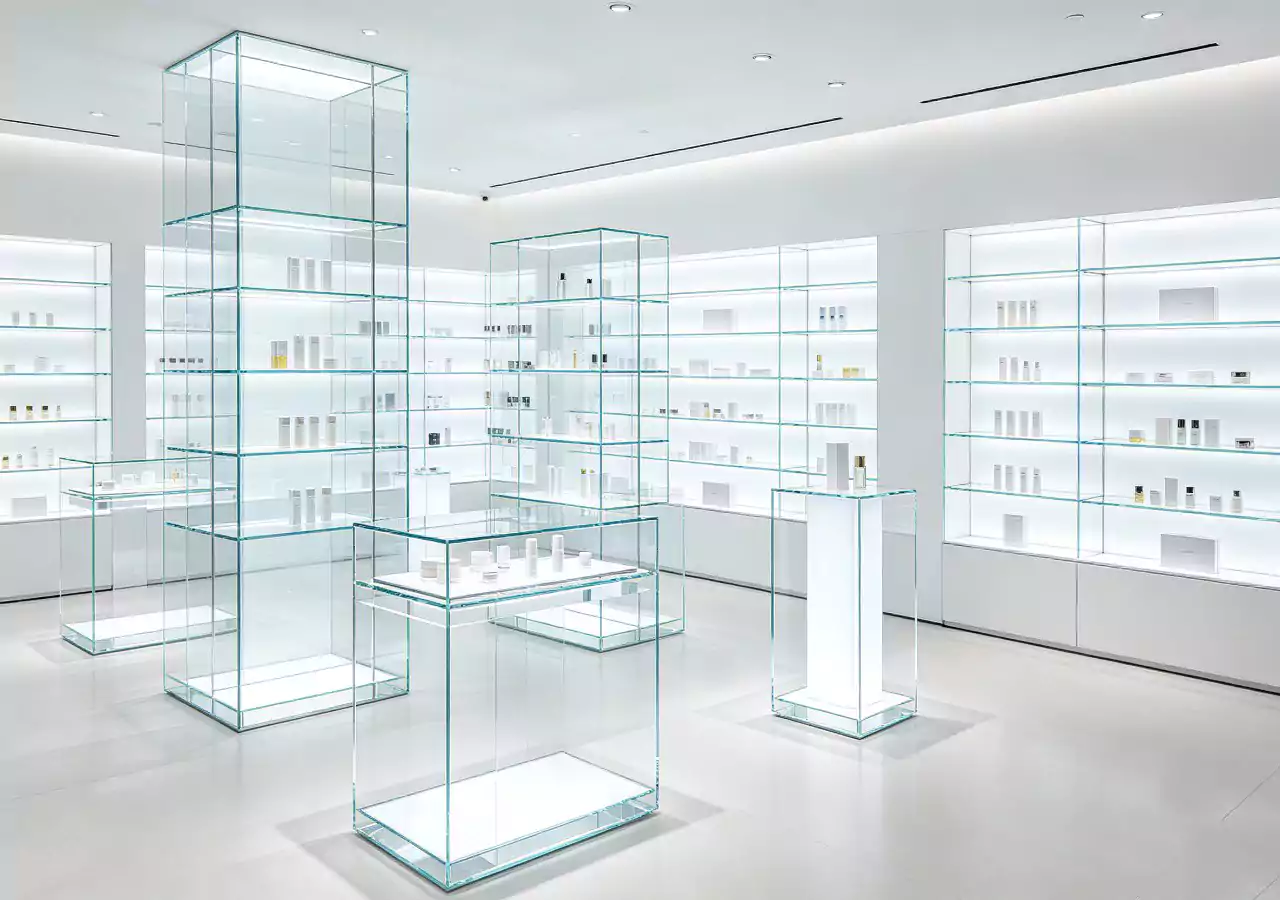
Before diving into specific applications, it is important to understand what makes acrylic the preferred material for commercial displays across virtually every industry.
Exceptional Clarity and Visual Appeal
Acrylic transmits 92% of visible light — more than glass — giving it a brilliant, crystal-clear appearance that makes products appear to float. This optical clarity ensures that your merchandise remains the star of the show while the display itself provides an elegant, virtually invisible stage.
Lightweight Yet Durable
Acrylic weighs roughly half as much as glass but is up to 17 times more impact-resistant. This makes it safer in busy retail environments, easier to ship and install, and more economical in terms of structural support requirements. Unlike glass, acrylic does not shatter into dangerous shards if broken.
Design Versatility
Acrylic can be laser-cut, CNC-routed, heat-bent, printed on, and colored in virtually any shade. It can be formed into complex curves, multi-tiered structures, and custom shapes that would be prohibitively expensive with other materials. This versatility allows businesses to create truly unique display solutions that reflect their brand identity.
Cost-Effectiveness
Compared to glass, metal, or wood displays, acrylic offers significant cost savings — especially at scale. Factory-direct manufacturers like CustomAcrylicPro can produce custom acrylic displays at a fraction of the cost of traditional materials, with typical savings of 40-60% over comparable glass fixtures.
Easy Maintenance
Acrylic is non-porous and resistant to staining. It can be cleaned with a soft cloth and mild soap solution, maintaining its clarity for years with minimal upkeep. Unlike wood displays, it does not warp or rot. Unlike metal, it does not rust or corrode.
Sustainability Benefits
While acrylic is a plastic, its exceptional longevity and reusability make it a practical sustainable choice. A single acrylic display can serve for 5-10+ years, eliminating the waste associated with disposable cardboard or foam displays. Modular acrylic systems can be reconfigured and reused across multiple seasons and promotions, reducing the need for new fixtures. Acrylic’s lightweight nature also reduces shipping emissions compared to heavier materials like glass and metal.
Professional Brand Image
Acrylic’s premium appearance elevates any brand presentation. Whether you are an independent artisan or a global luxury brand, acrylic displays communicate quality, attention to detail, and modern sophistication. The material’s association with high-end retail environments means that simply using acrylic displays can enhance customer perception of your brand and products.
Retail Display Solutions
Retail environments demand displays that are both functional and visually compelling. Acrylic retail displays serve as silent salespeople — drawing customers in, guiding their eyes to featured products, and ultimately driving purchase decisions.
From countertop impulse-buy displays to full floor-standing product towers, acrylic adapts to every retail context. Modern retailers are increasingly using modular acrylic systems that can be reconfigured seasonally, allowing a single investment to serve multiple merchandising campaigns throughout the year.
Key retail applications include product risers, tiered shelving units, brochure holders, point-of-purchase displays, and custom branded fixtures. Effective retail acrylic displays can increase product visibility by up to 40% and boost impulse purchases by 25-30%.
The retail sector’s adoption of acrylic displays has accelerated as brands compete for attention in an increasingly digital world. Physical stores must offer experiences that cannot be replicated online, and premium acrylic displays are a cornerstone of this strategy. They create tactile, visually rich product presentations that encourage customers to linger, explore, and ultimately purchase.
For a deep dive into creative retail display strategies, see our dedicated guide: Acrylic Retail Display Ideas to Boost Sales in 2026.
Jewelry Display Solutions
Jewelry is an industry where presentation is everything. Customers expect to see rings, necklaces, earrings, and bracelets presented in a way that highlights their brilliance, craftsmanship, and value. Acrylic jewelry displays deliver exactly that — a clear, elegant platform that lets the jewelry shine without visual distraction.
Acrylic jewelry stands come in a wide variety of forms: earring trees, necklace busts, ring cones, bracelet towers, and multi-piece display sets. The material’s clarity ensures that gemstones and metals are visible from every angle, while its lightweight nature makes it easy for store staff to rearrange displays as inventory changes.
Compared to traditional velvet or silk displays, acrylic offers a modern, contemporary aesthetic that appeals to younger demographics. It is also hypoallergenic and non-reactive, making it safe for direct contact with all types of jewelry — including delicate pieces that could be damaged by abrasive display materials.
The jewelry display market has seen significant innovation in recent years, with acrylic leading the way. New designs incorporate LED base lighting, modular configurations, and security features like lockable cases and tether systems. These innovations make acrylic jewelry displays suitable for everything from small independent boutiques to high-end luxury retailers.
Learn how to select the perfect jewelry displays for your store: Jewelry Display Guide: How to Choose the Right Acrylic Stands.
Cosmetic Display Solutions
The beauty industry is built on visual appeal, and acrylic cosmetic displays have become the industry standard for brands ranging from indie startups to global powerhouses. Walk into any Sephora, Ulta, or department store beauty counter, and you will find acrylic organizers forming the backbone of the merchandising strategy.
Acrylic cosmetic organizers excel at creating organized, visually appealing product presentations. They allow customers to see the full color range of a lipstick line, compare shades side by side, and easily access testers. Multi-tier acrylic units maximize vertical space on crowded countertops, while drawer-style organizers keep backstock neatly hidden yet accessible.
For beauty brands, acrylic displays also offer exceptional branding opportunities. Custom-printed logos, brand-colored accents, and unique structural designs help create memorable in-store experiences that reinforce brand identity and encourage social media sharing.
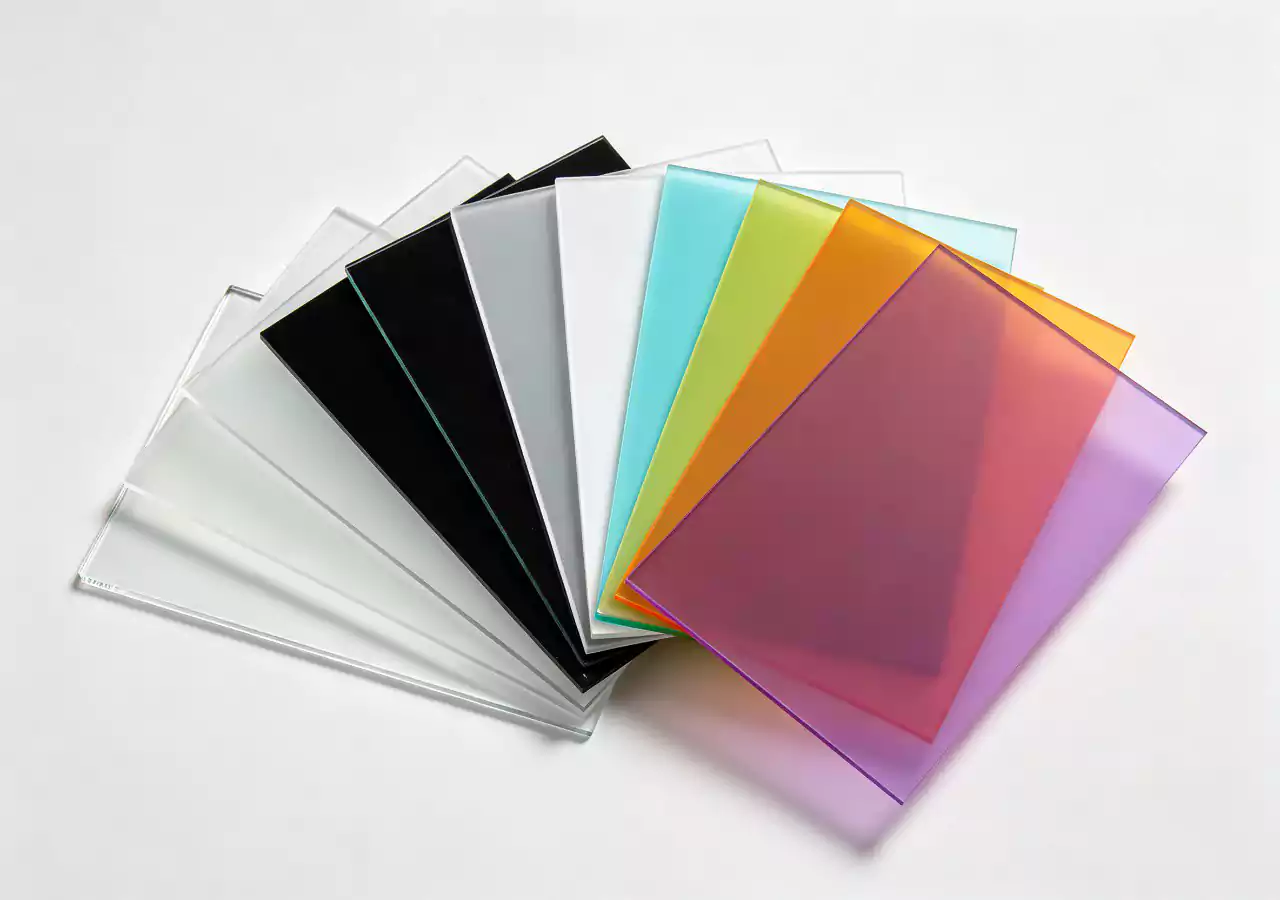
The cosmetics display sector is evolving rapidly, with trends like clean beauty aesthetics, social media-ready installations, and interactive digital integration reshaping how brands present their products. Acrylic’s versatility makes it the ideal material for adapting to these trends — it can be frosted for a minimalist look, illuminated for dramatic effect, or customized with brand elements for a unique identity.
Discover the best cosmetic display strategies: Cosmetic Display Design: Acrylic Organizers for Beauty Brands.
Food Service Display Solutions
In bakeries, cafes, and restaurants, food presentation directly impacts customer perception and purchasing decisions. Acrylic food display cases provide a hygienic, attractive, and practical solution for showcasing everything from artisan pastries to delicate desserts.
Modern acrylic food displays are manufactured from FDA-compliant, food-safe materials that meet strict health and safety regulations. They are non-porous, easy to sanitize, and resistant to food oils and acids — making them ideal for environments where cleanliness is paramount.
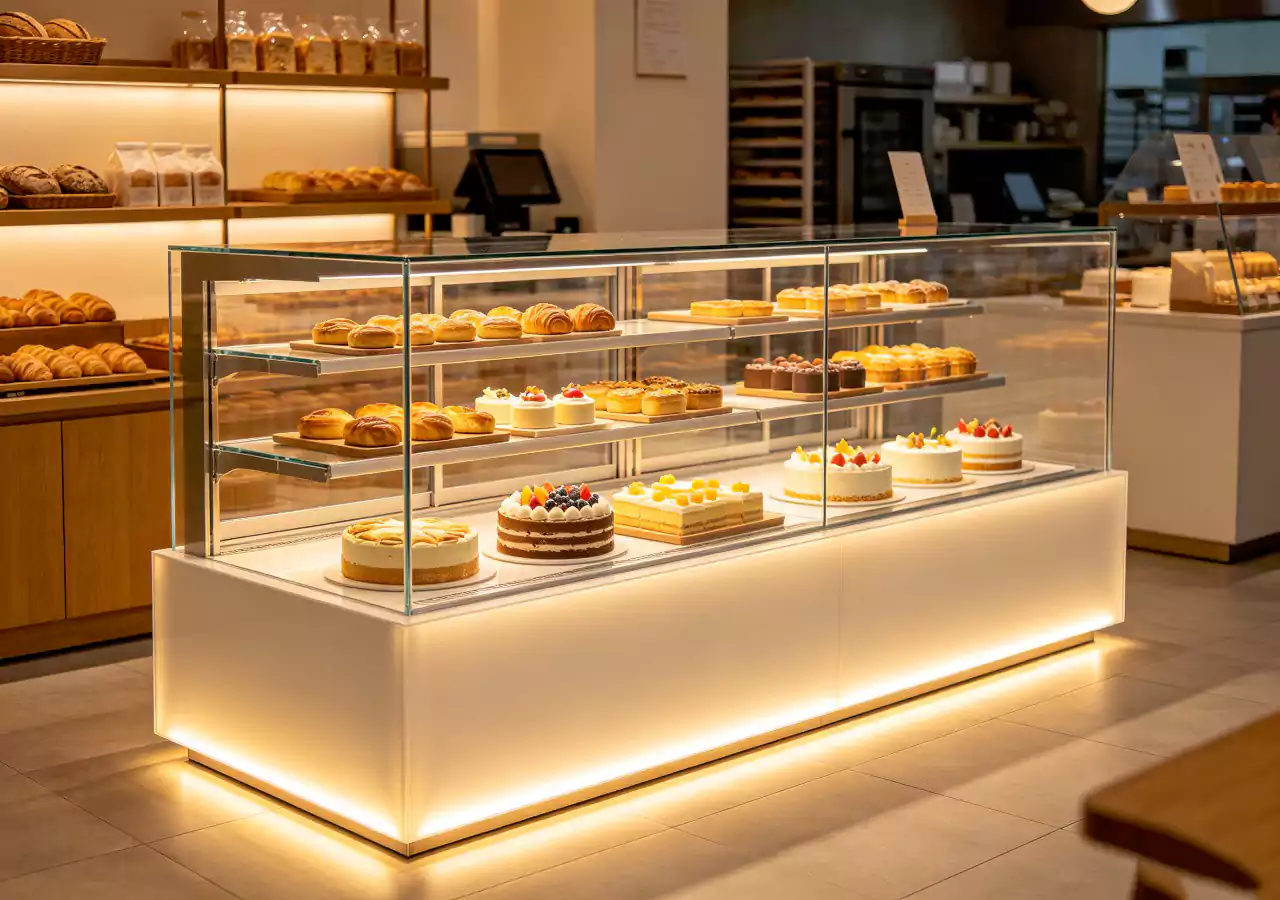
Acrylic food display solutions range from simple countertop pastry risers to elaborate multi-tier cake stands, donut display cases, and self-service grab-and-go units. Their clarity allows customers to fully appreciate the visual appeal of your food offerings, while their durability withstands the demands of daily commercial use.
The food service industry’s adoption of acrylic displays has grown significantly as food safety regulations become more stringent and consumers demand greater transparency in food presentation. Acrylic’s non-porous surface meets the highest hygiene standards, while its visual clarity allows customers to inspect food items before purchasing — a critical factor in food service decision-making.
Explore food-safe display options for your business: Food Display Solutions: Acrylic Cases for Bakeries, Cafes & Restaurants.
Signage and Directional Display Solutions
Every business needs effective signage — from eye-catching storefront signs to wayfinding systems that guide customers through your space. Acrylic signage offers a premium, professional appearance that elevates your brand image while providing the durability needed for both indoor and outdoor applications.
Acrylic signs can be fabricated in virtually any shape, size, and color Read more in our acrylic fabrication guide guide. They support multiple design techniques including direct printing, vinyl application, laser engraving, and LED integration. The material’s versatility makes it suitable for everything from elegant reception desk signs to large-format exterior building signage.
Directional displays made from acrylic are particularly popular in corporate offices, hospitals, hotels, and retail environments where clear, professional wayfinding is essential. Acrylic’s lightweight nature also makes it easy to install and reposition as your space evolves.
The global signage market is increasingly shifting toward acrylic and other plastics as businesses move away from traditional materials like wood and metal. Acrylic signs offer faster production times, lower shipping costs, and greater design flexibility — all without sacrificing the premium appearance that customers expect. From ADA-compliant wayfinding to illuminated storefront signs, acrylic delivers across every signage category.
Master the art of acrylic signage design: Acrylic Signage Guide: Design Tips for Business Signs & Directional Displays.
Acrylic Display Solutions Across Industries
Acrylic display solutions serve businesses across many sectors. Here are four industry applications that demonstrate the material’s versatility and value.
Museum and Gallery Exhibit Displays
Museums and galleries use acrylic display cases and pedestals to protect and showcase artifacts, sculptures, and collectibles. UV-filtering acrylic blocks 99% of harmful UV rays to prevent fading, and the crystal-clear material provides unobstructed viewing from all angles. Custom-sized cases accommodate everything from small artifacts to large installations.
Retail Pop-Up Shop
Pop-up retailers and seasonal brands rely on lightweight, portable acrylic displays that are easy to transport and quick to set up. Countertop stands, wall shelves, and tiered risers create a professional retail environment in temporary spaces, and the modular pieces can be reconfigured for different locations and product assortments.
Corporate Office Lobby and Showroom
Companies use acrylic displays in office lobbies and showrooms to showcase awards, product samples, and brand history. Custom acrylic wall displays, trophy cases, and product demonstration stands create a polished, professional impression on visiting clients and partners while reinforcing brand identity.
Trade Show and Exhibition Booth
Exhibitors use acrylic display stands, literature holders, and product showcases at trade shows to create lightweight, visually appealing booth displays that ship easily and assemble quickly. Backlit acrylic signage and countertop product stands draw attention in crowded exhibition halls, and the durable material survives repeated shipping and setup cycles.
Buying Guide: How to Choose the Right Acrylic Display

With so many options available, selecting the right acrylic display for your business requires careful consideration of several key factors.
Define Your Purpose
Start by identifying the primary function of your display. Are you showcasing high-value jewelry that requires secure, lockable cases? Displaying impulse-buy items at checkout? Organizing a large cosmetics inventory? Your purpose will determine the display type, size, and features you need.
Consider also whether your display needs to be permanent or temporary, static or interactive, and whether it will be seen from a distance or at close range. Each of these factors influences the optimal display design. A checkout counter display, for example, should be compact and eye-level, while a floor-standing retail tower should be tall enough to be visible across the store.
Consider Your Space
Measure your available space carefully before ordering. Account for foot traffic patterns, customer sightlines, and ADA accessibility requirements. Remember that displays should enhance the shopping experience, not obstruct it.
Take photos of your intended display location from multiple angles, including customer perspective shots. This helps your manufacturer understand the context and recommend optimal display dimensions. Include measurements of adjacent fixtures, ceiling height, and lighting positions to ensure your new display integrates seamlessly with the existing environment.
Choose the Right Thickness
Acrylic thickness directly affects durability and load-bearing capacity. General guidelines: 2-3mm for small organizers and sign holders, 4-5mm for standard shelving and countertop displays, 6-8mm for heavy-duty retail fixtures, and 10mm+ for large floor-standing units.
When in doubt, err on the side of thicker material. The cost difference between 5mm and 6mm acrylic is minimal, but the structural improvement can be significant — especially for displays that will bear heavy products or experience frequent customer interaction. Your manufacturer can recommend the optimal thickness based on your specific application and load requirements.
Select Your Finish
Clear acrylic is the most popular choice, but frosted, colored, and opaque options can add visual interest and brand alignment. Consider using a combination — clear for product visibility with frosted or colored accents for branding elements.
Mixed-finish displays are increasingly popular in premium retail environments. A clear acrylic shelf with frosted acrylic dividers, for example, provides product visibility while creating visual separation between product categories. Colored acrylic base panels with clear upper tiers combine brand presence with functional product display. Work with your manufacturer to explore creative finish combinations that maximize both aesthetics and functionality.
Plan for Lighting
If you plan to integrate LED lighting, discuss this with your manufacturer during the design phase. Edge-lit and backlit acrylic displays require specific material grades and fabrication techniques to achieve optimal results.
Think Long-Term
Invest in displays that can grow with your business. Modular systems that accept add-on components, adjustable shelving that accommodates new product sizes, and neutral designs that work with evolving brand aesthetics all extend the useful life of your display investment. A well-chosen acrylic display system should serve your business for 5-10 years.
Request Samples
Before committing to a large order, request material samples from your manufacturer. This allows you to evaluate clarity, color accuracy, finish quality, and thickness firsthand. CustomAcrylicPro provides free sample kits that include examples of clear, frosted, and colored acrylic in various thicknesses.
Consider the Total Cost of Ownership
When comparing display options, look beyond the initial purchase price. Factor in durability (replacement frequency), maintenance requirements (cleaning supplies and labor), shipping costs (acrylic’s light weight reduces freight charges), and versatility (can the display be reused for multiple purposes?). Acrylic’s low total cost of ownership is one of its most compelling advantages over glass, metal, and wood alternatives.
Advantages of Bulk Custom Orders
For businesses planning a store rollout, chain-wide display refresh, or ongoing merchandising program, bulk custom acrylic orders offer significant advantages:
- Volume pricing: Unit costs decrease substantially at quantities of 50+, 100+, and 500+ pieces
- Consistency: Every unit is manufactured to identical specifications, ensuring a uniform brand presentation across all locations
- Dedicated project management: Large orders receive priority production scheduling and a dedicated account manager
- Warehousing options: Many manufacturers offer warehousing and scheduled shipping to support phased rollouts
- Design optimization: Engineering teams can refine designs for production efficiency, further reducing costs at scale
At CustomAcrylicPro, our factory-direct model eliminates middleman markup, and our bulk pricing structure makes it economical to outfit entire store networks with premium custom acrylic displays.
Acrylic Display Maintenance and Care
Proper maintenance ensures your acrylic displays remain crystal clear and visually appealing for years. Follow these best practices to protect your investment:
Daily Care
Dust displays regularly using a soft microfiber cloth or a static duster. For retail environments with high customer traffic, a quick daily wipe prevents dust buildup that can make clear acrylic appear cloudy. Avoid paper towels and tissue, which can leave lint and cause micro-scratches.
Deep Cleaning
For thorough cleaning, use warm water with a small amount of mild dish soap. Dampen a microfiber cloth (never spray directly onto the display) and wipe gently in one direction. Rinse with a clean, damp cloth and dry with a separate dry microfiber cloth to prevent water spots.
Scratch Removal
Minor scratches can be polished out using a dedicated acrylic polish or a fine-grade plastic scratch remover. For deeper scratches, wet sanding with progressively finer grits (400, 800, 1200, 2000) followed by polishing can restore near-original clarity. For valuable displays, professional restoration services are available.
Things to Avoid
- Ammonia-based cleaners (Windex, glass cleaners) — these cause micro-cracking called crazing
- Abrasive sponges, scouring pads, or rough cloths
- Direct exposure to heat sources above 160°F (70°C)
- Stacking acrylic pieces without protective barriers between them
- Placing displays in direct, unshaded sunlight for extended periods
Industry Applications Beyond Retail
While this guide has focused primarily on retail applications, acrylic display solutions serve a wide range of industries:
Corporate Offices
Acrylic signage, brochure holders, and document displays create a professional, organized office environment. Reception desk signs, conference room identification, and wayfinding systems made from acrylic convey corporate sophistication.
Museums and Galleries
Acrylic display cases protect valuable artifacts and artwork while providing optimal visibility. UV-filtering acrylic options protect light-sensitive items from damage. Museum-grade acrylic cases meet stringent conservation standards.
Healthcare Facilities
Acrylic’s non-porous, easy-to-sanitize surface makes it ideal for healthcare environments. Information displays, wayfinding signs, and literature holders in medical offices, hospitals, and clinics benefit from acrylic’s hygienic properties and professional appearance.
Hotels and Hospitality
From lobby signage to room service menu holders, acrylic displays enhance the guest experience throughout hospitality properties. Acrylic’s durability withstands the demands of 24/7 hotel environments while maintaining a polished, upscale appearance.
Events and Exhibitions
Trade shows, conferences, and events rely on portable, professional acrylic displays for branding, wayfinding, and product presentation Read more in our trade show displays guide. Modular acrylic systems that assemble without tools are particularly popular for event applications where quick setup and teardown are essential.
Understanding Acrylic Grades and Specifications
Not all acrylic is created equal. Understanding the different grades and specifications helps you specify the right material for your display project:
Cast vs. Extruded Acrylic
Cast acrylic is manufactured by pouring liquid acrylic between two glass sheets and curing it. It offers superior optical clarity, better scratch resistance, and greater thermal stability. Cast acrylic is the preferred choice for premium displays, signage, and any application where visual quality is paramount.
Extruded acrylic is manufactured by pushing acrylic through a die, similar to how aluminum extrusions are made. It is more consistent in thickness and typically less expensive than cast acrylic. However, it has slightly lower optical clarity and is more prone to stress cracking during fabrication. Extruded acrylic is suitable for high-volume, cost-sensitive applications where minor optical differences are acceptable.
Thickness Guide
| Thickness | Common Uses | Max Recommended Span | Weight Capacity |
|---|---|---|---|
| 2mm (1/16″) | Sign holders, small organizers, photo frames | 6 inches | Light (under 2 lbs) |
| 3mm (1/8″) | Standard brochure holders, countertop displays | 8 inches | Light-Medium (2-5 lbs) |
| 5mm (3/16″) | Shelving, countertop cases, medium displays | 12 inches | Medium (5-15 lbs) |
| 6mm (1/4″) | Heavy-duty retail fixtures, outdoor signs | 18 inches | Medium-Heavy (15-30 lbs) |
| 8mm (5/16″) | Floor displays, large shelving units | 24 inches | Heavy (30-50 lbs) |
| 10mm+ (3/8″+) | Structural elements, large format signs | 30+ inches | Very Heavy (50+ lbs) |
Specialty Acrylic Types
- UV-resistant acrylic: Contains UV stabilizers that prevent yellowing from sunlight exposure. Essential for outdoor applications and brightly lit retail environments.
- Anti-static acrylic: Treated to resist dust attraction. Ideal for cosmetics displays and electronics showcases where dust visibility is a concern.
- Scratch-resistant acrylic: Hard-coated acrylic with 2-3x the scratch resistance of standard acrylic. Best for high-touch displays and environments with heavy customer interaction.
- Food-grade acrylic: FDA-compliant acrylic certified for direct food contact. Required for bakery, cafe, and restaurant applications.
- Flame-retardant acrylic: Meets fire safety codes for commercial and public space installations. Required by some building codes and fire marshals.
- Impact-modified acrylic: Enhanced impact resistance for high-traffic environments where displays may be bumped or knocked.
Customization Techniques and Options
One of acrylic’s greatest strengths is its compatibility with a wide range of customization techniques. Understanding these options helps you create truly unique display solutions:
Color Customization
Acrylic is available in virtually any color through both solid-colored sheets and tinted transparent options. CustomAcrylicPro can match any Pantone color, allowing you to create displays that perfectly align with your brand identity. Colored acrylic can be used for entire display structures or as accent elements combined with clear acrylic.
Surface Treatments
- Frosted: Sandblasted or chemically etched to create a translucent, light-diffusing surface. Adds elegance and reduces glare.
- Textured: Patterned surfaces including diamond, hammered, and linen textures for visual interest and anti-slip properties.
- Mirror: Metallic-coated acrylic that creates a reflective surface. Available in gold, silver, bronze, and custom colors.
- Satin: A smooth, matte finish that reduces fingerprints and glare while maintaining a premium appearance.
Printing and Graphics
UV flatbed printing allows full-color, high-resolution graphics to be printed directly onto acrylic surfaces. This technology supports photographic images, complex gradients, and fine text. Second-surface printing (printing on the back of clear acrylic with a protective overcoat) creates a beautiful depth effect while protecting the printed graphics from scratching and fading.
Joining and Assembly Methods
Acrylic components can be joined using several methods, each suited to different applications:
- Solvent bonding: Creates invisible, permanent joints by partially dissolving the acrylic surface. The strongest and most common joining method.
- Mechanical fasteners: Screws, bolts, and standoffs for displays that need to be disassembled or adjusted. Visible hardware can be a design feature or concealed for a cleaner look.
- Adhesive bonding: High-strength acrylic-compatible adhesives for quick assembly. Less durable than solvent bonding but suitable for lighter-duty applications.
- Interlocking designs: Precision-cut components that slide together without hardware or adhesives. Ideal for modular and portable displays.
Ready to Transform Your Business Displays?

Whether you need a single custom piece or a full store rollout, CustomAcrylicPro delivers factory-direct quality at unbeatable prices. Get your free design consultation and quote today.
Frequently Asked Questions
What are the most common types of acrylic displays?
Common types include countertop displays, wall-mounted units, floor-standing displays, revolving stands, tiered risers, and custom display cases.
How much do custom acrylic displays cost?
Simple displays start at $30-80 each, while complex custom designs range from $100-500+ depending on size, materials, and fabrication complexity.
What is the typical lead time for custom acrylic displays?
Standard production takes 10-15 business days. Rush orders of 5-7 days are available for an additional fee.
Can acrylic displays be used outdoors?
UV-stabilized cast acrylic is suitable for outdoor use. Standard acrylic may yellow over time with sun exposure, so specify UV-resistant material for exterior applications.
How do I clean and maintain acrylic displays?
Wipe with a soft microfiber cloth and mild soap or acrylic cleaner. Never use abrasive cleaners, ammonia-based products, or paper towels that can scratch.
What thickness of acrylic should I use for displays?
Most countertop displays use 3-6mm acrylic. Floor-standing and heavy-load displays typically use 8-12mm for structural stability.
Are acrylic displays durable enough for high-traffic retail?
Yes. Acrylic is 10-17 times more impact-resistant than glass and handles daily customer interaction well. Fine scratches can be polished out periodically.