
When you’re shopping for business signage, the material options can feel overwhelming — vinyl, metal, wood, acrylic, foam board, and more. Each promises durability and visual appeal, but few deliver the combination of premium appearance, weather resistance, and design flexibility that acrylic offers. Whether you’re outfitting a new office space, updating storefront signage, or planning a complete wayfinding system, understanding what makes acrylic stand out helps you make the right choice for your brand and budget.
Why Acrylic is the Premier Material for Business Signage
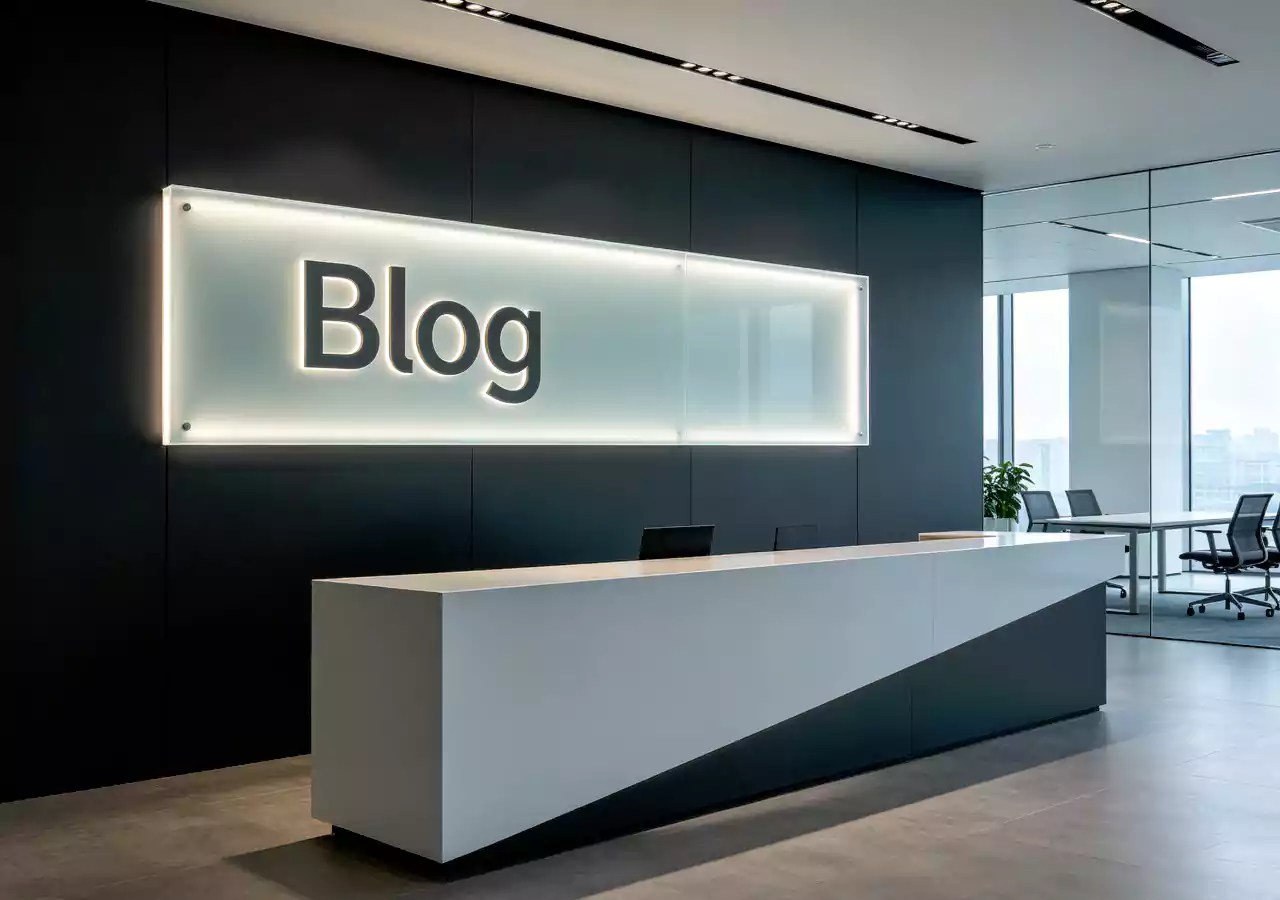
Your business signage is often the first impression customers have of your brand Read more in our custom acrylic display design guide. Whether it is a storefront sign that attracts foot traffic, a reception desk nameplate that conveys professionalism, or a wayfinding system that guides visitors through your space, acrylic signage delivers a premium appearance that elevates your brand image.
Acrylic has become the material of choice for business signs across every industry — from Fortune 500 corporate offices to independent retail boutiques. Its combination of optical clarity, design versatility, weather resistance, and cost-effectiveness makes it suitable for virtually any signage application, both indoors and outdoors.
This guide covers every aspect of acrylic sign design — from understanding the available sign types and design principles to selecting materials, integrating lighting, and choosing the right fabrication method for your project Read more in our acrylic light box signs guide.
Types of Acrylic Business Signs
Storefront and Exterior Signs
Your exterior sign is your most visible branding asset. Acrylic storefront signs offer a polished, professional appearance that stands out from competitors using basic vinyl or painted signage:
- Flat-cut acrylic letters: Individual letters cut from colored or clear acrylic and mounted directly to the building facade. Available in any font, size, and color. Creates a dimensional, high-end look.
- Acrylic panel signs: Full-panel signs with printed, engraved, or vinyl-applied graphics. Ideal for logos, business names, and promotional messages. Can be illuminated from behind for dramatic effect.
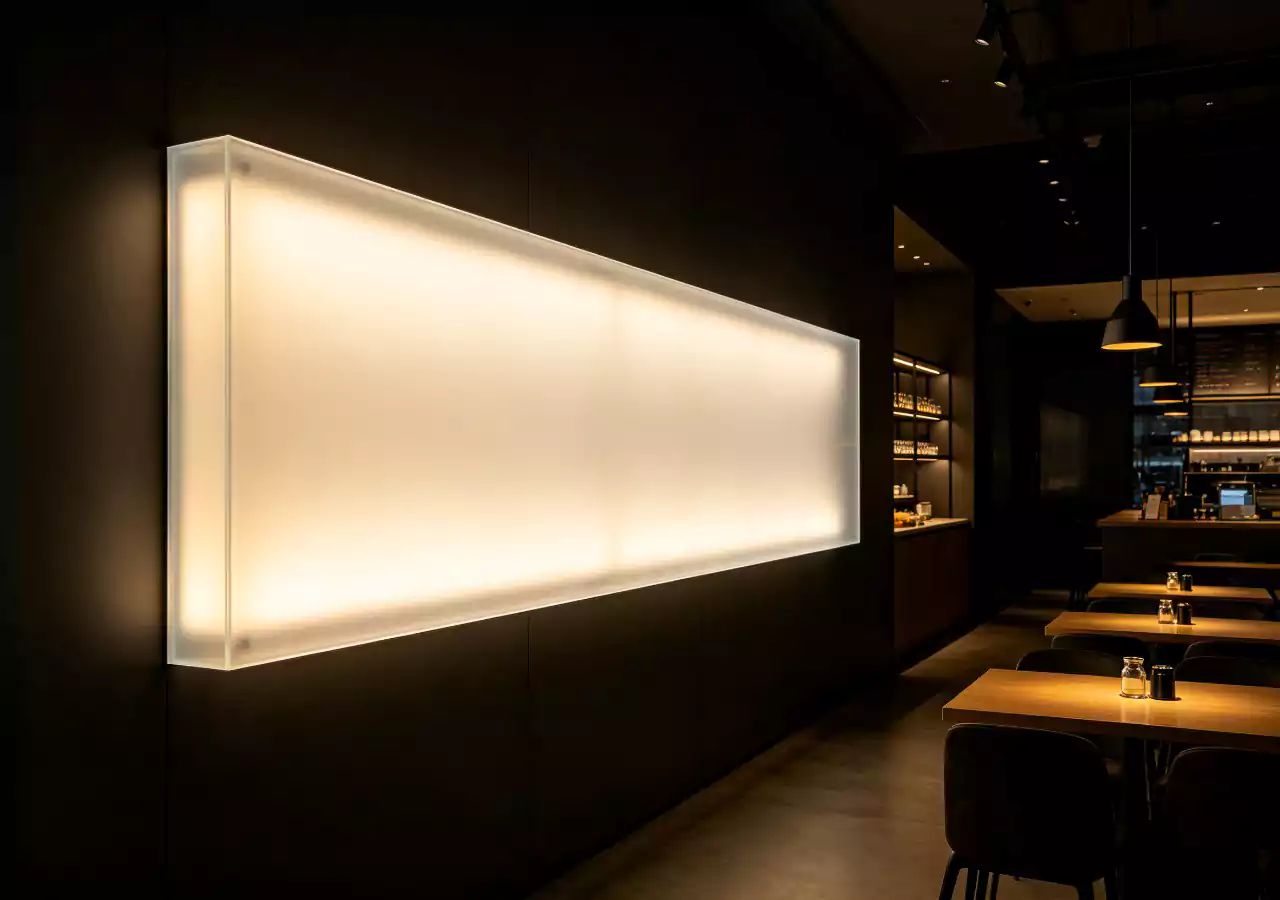
- Lightbox signs: Acrylic-faced lightbox signs with internal LED illumination. The sign glows brightly, ensuring visibility day and night. Perfect for high-traffic commercial areas.
- Hanging signs: Suspended acrylic signs that project from building facades or hang from ceilings in covered entryways. Double-sided designs maximize visibility from both directions.
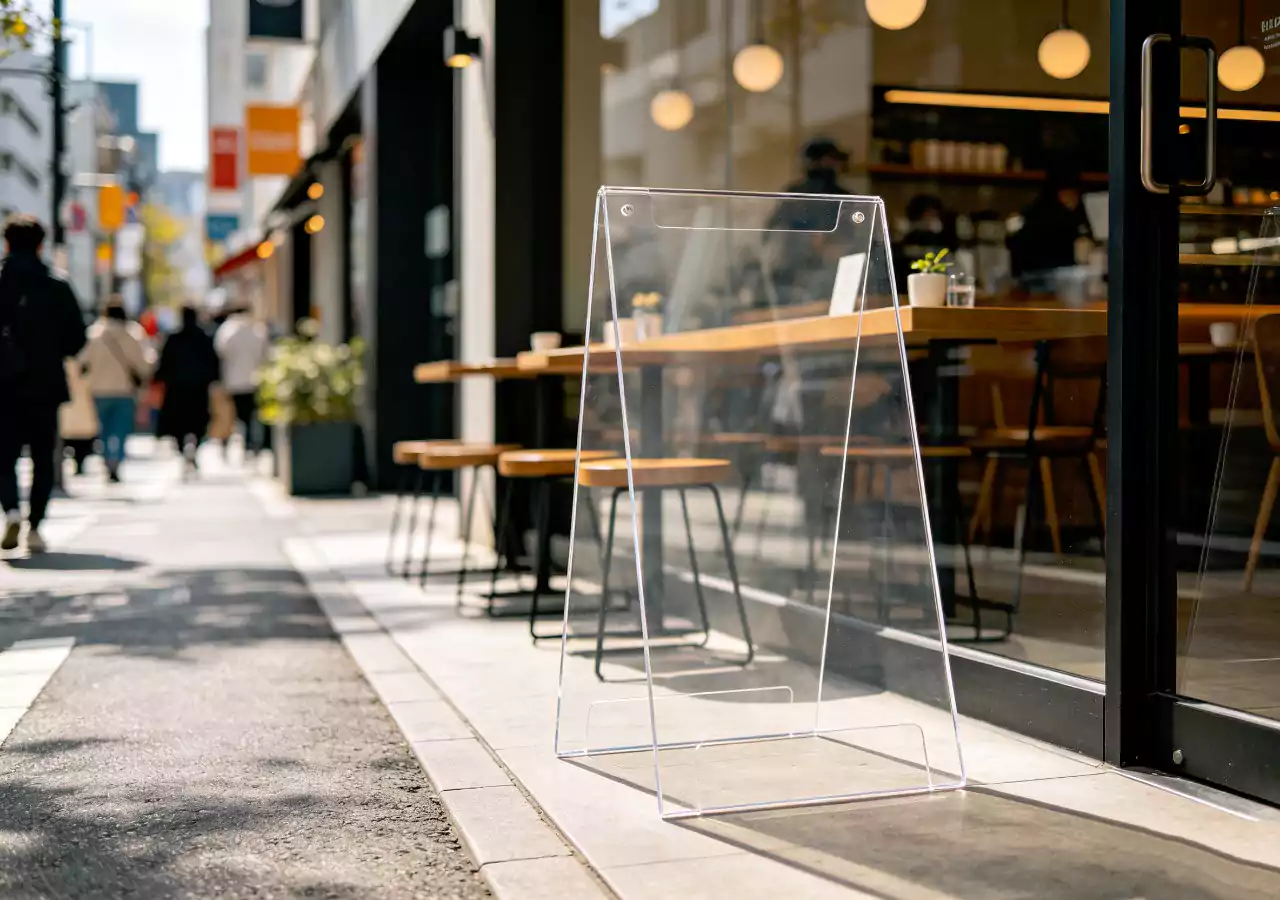
- A-frame signs: Portable sidewalk signs with acrylic panels for daily specials, hours of operation, or directional messaging. Easy to update with interchangeable inserts.
Directional and Wayfinding Signs
Clear wayfinding is essential for offices, hospitals, hotels, retail stores, and any environment where visitors need to navigate. Acrylic directional signs offer a clean, professional solution:
- Wall-mounted directional signs: Arrow-shaped or rectangular acrylic signs with printed or engraved directional information. Mounted at decision points to guide visitors.
- Freestanding directory signs: Floor-standing acrylic directories for building lobbies and reception areas. Multi-panel designs can list departments, tenants, or floor directories.
- Door and room identification signs: Acrylic nameplates for office doors, conference rooms, and restroom identification. Sleek designs with printed or engraved text.
- Hanging ceiling signs: Suspended acrylic signs for retail aisle identification, airport gates, and large public spaces. Double-sided printing ensures visibility from all angles.
Promotional and Marketing Signs
Acrylic is ideal for promotional signage that needs to look polished while being easy to update:
- Poster and graphic holders: Snap-frame acrylic displays that allow quick poster changes. Available in wall-mounted, countertop, and freestanding formats.
- Tabletop sign holders: Clear acrylic frames for restaurant specials, event information, and retail promotions. Self-standing designs require no mounting hardware.
- Point-of-purchase displays: Custom acrylic signs integrated into retail display fixtures for pricing, product information, and promotional messaging.
- Trade show signs: Portable acrylic signage for trade show booths, including banner stands, header signs, and tabletop displays.
Safety and Compliance Signs
Acrylic safety signs meet regulatory requirements while maintaining a professional appearance:
- ADA-compliant signs: Tactile and braille acrylic signs meeting Americans with Disabilities Act requirements for accessibility
- Safety instruction signs: Emergency exits, fire safety, and health protocol signs in acrylic with clear, durable printing
- Social distancing markers: Floor-standing and wall-mounted acrylic signs for queue management and spacing guidance
Design Principles for Effective Acrylic Signs
Readability First
The primary purpose of any sign is to communicate information quickly and clearly. Follow these readability guidelines:
- Font selection: Use clean, sans-serif fonts for maximum readability at distance. Avoid decorative fonts for essential information.
- Font size: A general rule is 1 inch of letter height for every 10 feet of viewing distance. For a sign that needs to be read from 50 feet away, use 5-inch letters minimum.
- Contrast: Ensure high contrast between text and background. White text on dark acrylic, dark text on clear acrylic with a backing panel, or colored acrylic with white text all provide strong contrast.
- White space: Leave adequate margins around text and graphics. Crowded signs are harder to read and look less professional.
Brand Consistency
Your signage should be an extension of your brand identity. Use your brand colors, fonts, and logo consistently across all signs. Acrylic’s versatility allows you to match any brand color through colored acrylic, UV printing, or vinyl application.
Visual Hierarchy
Organize information on your sign by importance. The most critical information (business name, primary message) should be the largest and most prominent. Secondary information (tagline, contact details) should be smaller and positioned below. Tertiary information (hours, website) should be smallest.
Material and Finish Selection
The acrylic finish you choose significantly impacts the sign’s appearance:
| Finish | Best For | Visual Effect |
|---|---|---|
| Clear | Modern, minimalist signs; lighted signs | Virtually invisible background |
| Frosted | Corporate, elegant signs; privacy areas | Soft, diffused appearance |
| Colored (solid) | Brand-aligned signs; bold statements | Vibrant, eye-catching |
| Mirror | Decorative signs; luxury branding | Premium, reflective |
| White opaque | High-contrast signs; backlit displays | Clean, professional |
| Black opaque | Elegant signs; premium branding | Sophisticated, bold |
Real-World Applications for Acrylic Business Signs
Acrylic signs serve businesses across nearly every industry. Here are four common use cases where acrylic signage delivers exceptional value and visual impact.
Startup Office Reception Area
Tech startups and creative agencies use frosted acrylic logo signs with standoff mounts to create a polished, modern first impression in reception areas. The lightweight material means easy installation on drywall without structural reinforcement, and the clean aesthetic matches contemporary office design.
Restaurant Storefront and Interior
Cafes and restaurants use acrylic for window lettering, menu boards, and interior directional signage. UV-stabilized acrylic holds up well to sunlight exposure, and the material pairs beautifully with wood, metal, and plant-based decor themes common in food service spaces.
Dental and Medical Clinic Wayfinding
Healthcare facilities rely on acrylic room signs, directory boards, and safety signage because the non-porous surface is easy to sanitize. ADA-compliant acrylic braille signs meet accessibility requirements while maintaining a clean, professional appearance throughout the clinic.
Real Estate and Property Management
Property managers use acrylic unit numbers, directory boards, and leasing office signs for apartment complexes and commercial buildings. The material resists weathering better than vinyl letters and maintains a premium look that justifies higher rent perceptions.
Lighting Options for Acrylic Signs
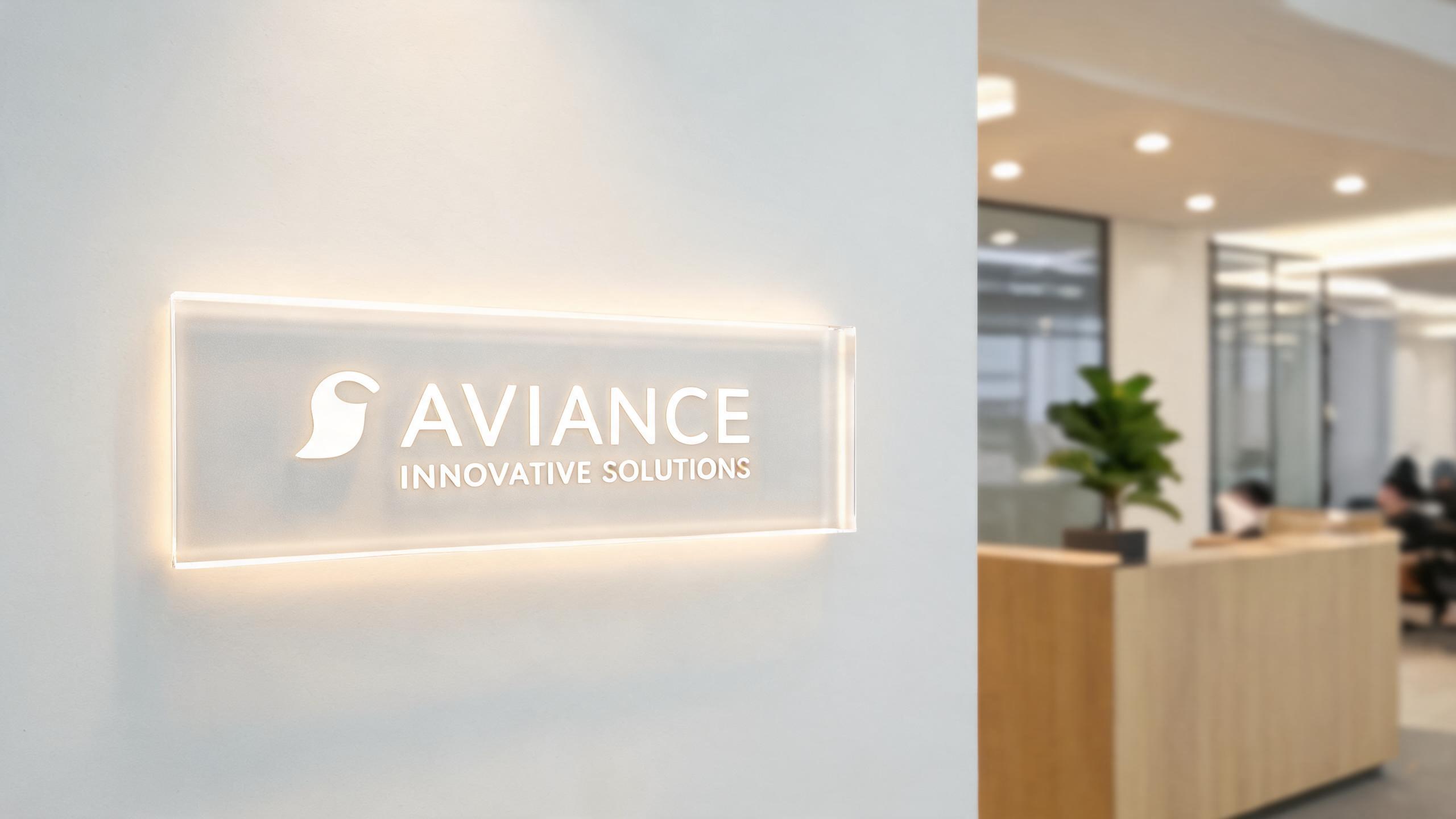
Lighting transforms acrylic signs from simple information carriers into attention-grabbing brand assets. Explore our guide on acrylic sheet fabrication techniques for more insights.
Backlit Signs
LED backlit signs feature light sources mounted behind the acrylic panel, creating an even, glowing illumination. The acrylic diffuses the light for a smooth, professional appearance. Backlit signs are highly visible in low-light conditions and create a premium, modern aesthetic. They are ideal for storefront signs, reception area signs, and feature walls.
Edge-Lit Signs
Edge lighting uses LED strips mounted along the edges of the acrylic panel. Light travels through the acrylic and illuminates engraved or printed areas, creating a dramatic floating effect. Edge-lit signs are particularly striking in dark environments and are popular for reception desk signs, hotel lobby signs, and feature signage.
Front-Lit Signs
External spotlights or floodlights directed at the sign surface from above or below. This is the simplest lighting approach and works well for exterior signs. Use warm-toned lighting for a welcoming feel or cool-toned lighting for a modern, corporate look.
LED Embedded Signs
LEDs embedded within the acrylic structure itself, creating illuminated letters, logos, or design elements. This approach produces a clean, seamless appearance with no visible light source. It is the most premium option and is commonly used for high-end corporate signage and luxury retail.
Installation Methods
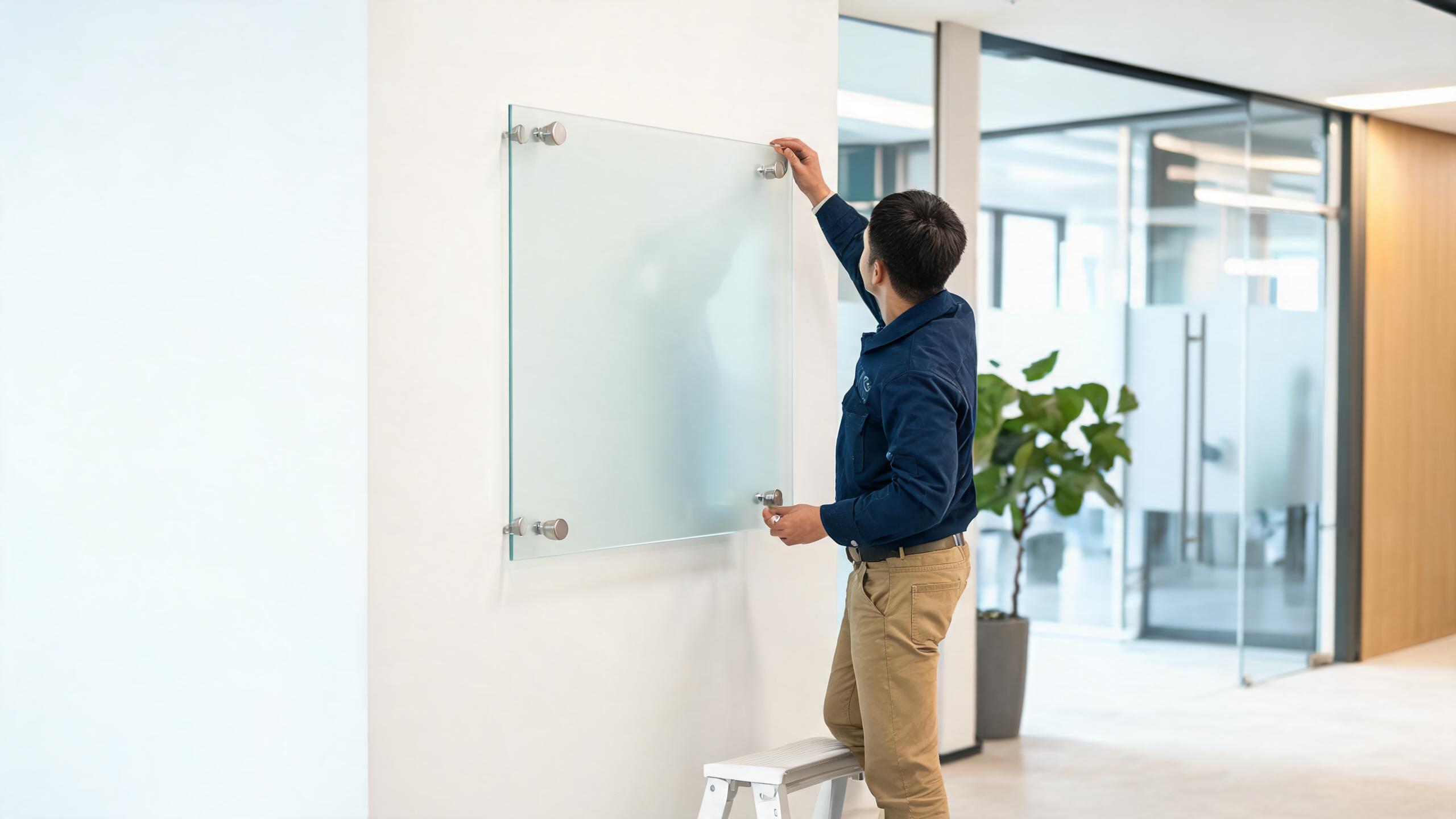
Proper installation ensures your acrylic sign looks great and stays securely mounted:
- Standoff mounting: Metal standoffs create a floating effect by spacing the sign 1-2 inches from the wall. This is the most popular installation method for corporate and retail signs.
- Adhesive mounting: High-strength double-sided acrylic tape or silicone adhesive for direct-to-wall mounting. Best for lightweight signs and smooth surfaces.
- French cleat: Interlocking bracket system for heavy or large signs. Provides secure, level mounting with hidden hardware.
- Hanging hardware: Cables, rods, or chains for suspended ceiling signs. Creates an elegant, architectural look.
- Freestanding bases: Weighted acrylic or metal bases for portable signs that require no wall mounting.
Indoor vs. Outdoor Considerations
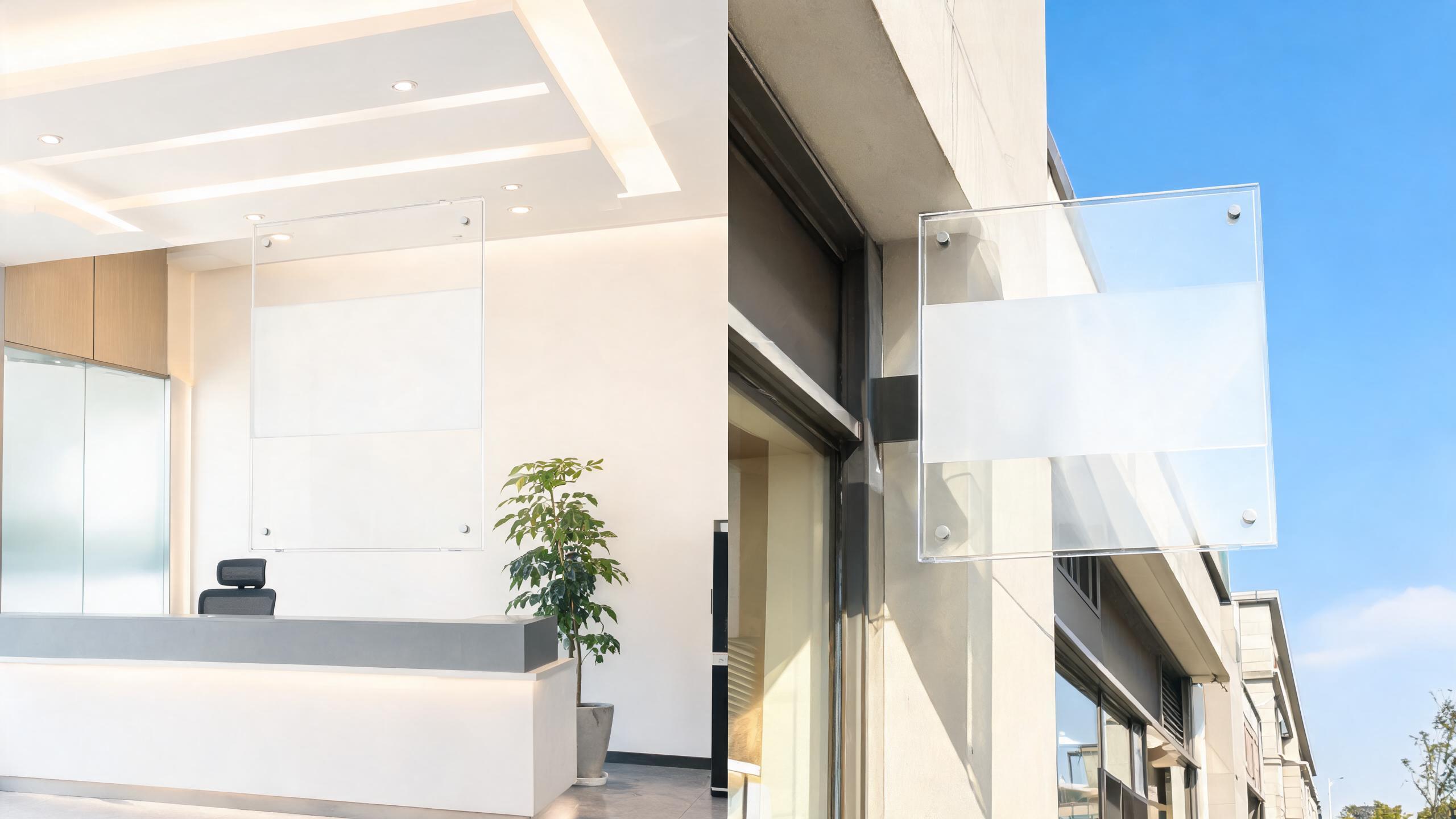
While acrylic is suitable for both indoor and outdoor use, there are important differences to consider:
Indoor Signs
Indoor acrylic signs enjoy a controlled environment and can last indefinitely with proper care Read more in our acrylic sheet thickness guide. Focus on aesthetics, brand alignment, and integration with interior design. All acrylic types, thicknesses, and finishes are suitable for indoor use.
Outdoor Signs
Outdoor signs must withstand UV exposure, temperature fluctuations, moisture, and wind. Key considerations include:
- UV-resistant acrylic: Prevents yellowing and fading from sun exposure. Look for acrylic with built-in UV stabilizers.
- Thicker material: Outdoor signs should use 6mm+ acrylic for structural integrity and wind resistance.
- Weatherproof hardware: Stainless steel standoffs and mounting hardware to prevent corrosion.
- UV-resistant printing: UV-cured or UV-stable inks for printed graphics to prevent fading.
- Protective coatings: Optional clear coatings for additional UV and scratch protection.
Fabrication Methods for Acrylic Signs
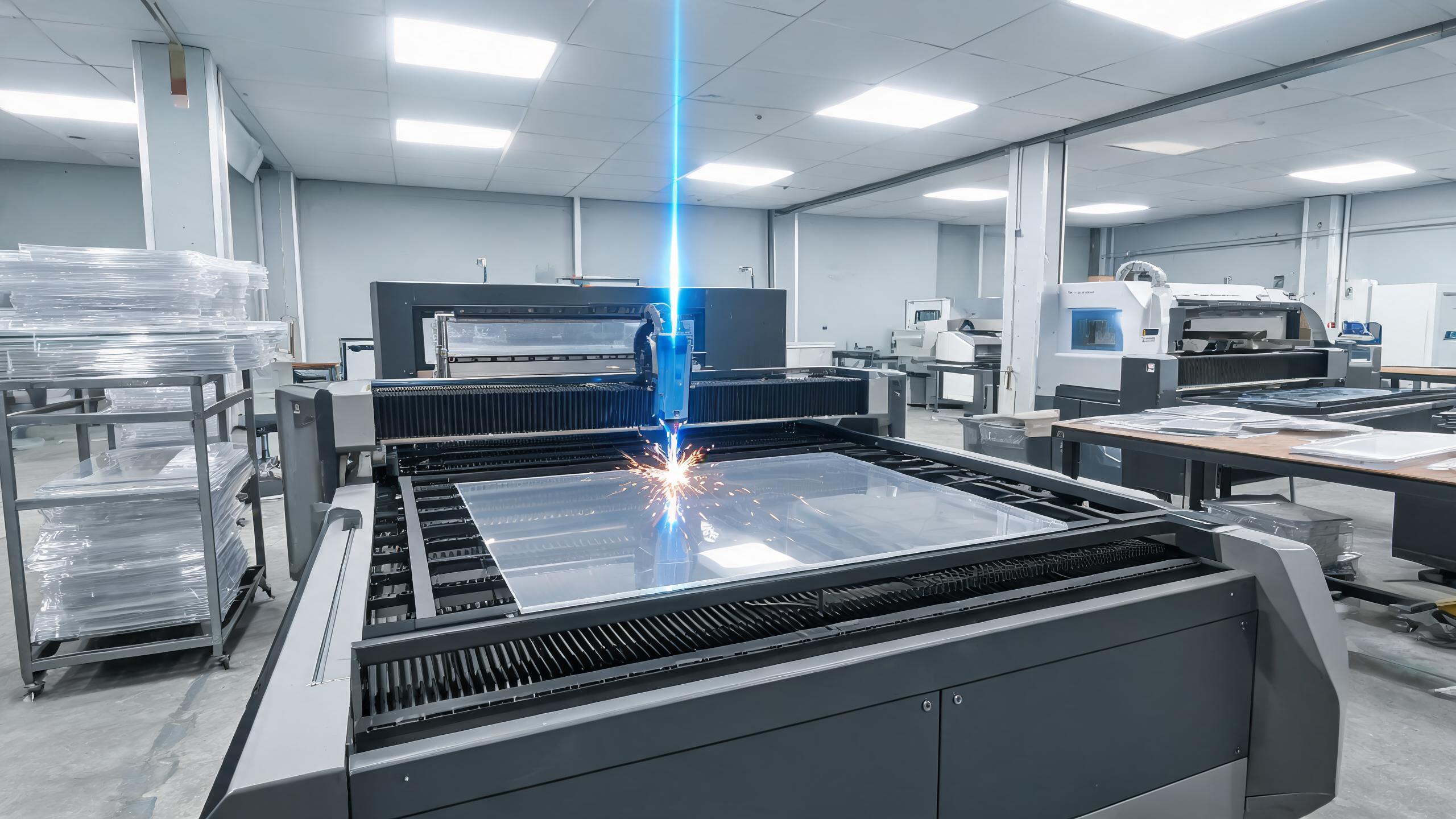
Understanding fabrication methods helps you specify the right process for your sign project: Explore our guide on how to cut acrylic sheets for more insights.
- Laser cutting: Produces polished-edge cuts for precise letter and shape cutting. Ideal for flat-cut letters and intricate designs.
- CNC routing: Computer-controlled cutting for larger signs and thicker materials. Produces clean edges suitable for painted or vinyl-finished signs.
- UV flatbed printing: Full-color direct printing onto acrylic surfaces. Produces vibrant, durable graphics that resist fading.
- Laser engraving: Creates frosted, etched designs within clear acrylic. Perfect for elegant, subtle signage and edge-lit applications.
- Vinyl application: Pre-cut vinyl graphics applied to acrylic surfaces. Cost-effective for simple text and logo signs.
- Heat bending: Forms acrylic into curved shapes for unique sign designs. Used for architectural and sculptural signage.
Ready to Transform Your Business Displays?
Whether you need a single custom piece or a full store rollout, CustomAcrylicPro delivers factory-direct quality at unbeatable prices. Get your free design consultation and quote today.