
If you’ve ever shopped for acrylic sheets, you’ve probably stared at a list of thickness options wondering which one you actually need. Pick the wrong thickness and you could end up with a sagging shelf, a cracked display, or spending far more than necessary on material you don’t need. Acrylic thickness directly affects strength, weight, cost, and even how easy the material is to work with — so getting it right matters. Whether you’re building a display case, a sign, a shelf, or an aquarium, this guide helps you choose the perfect thickness for your project.
Understanding Acrylic Sheet Thickness Standards
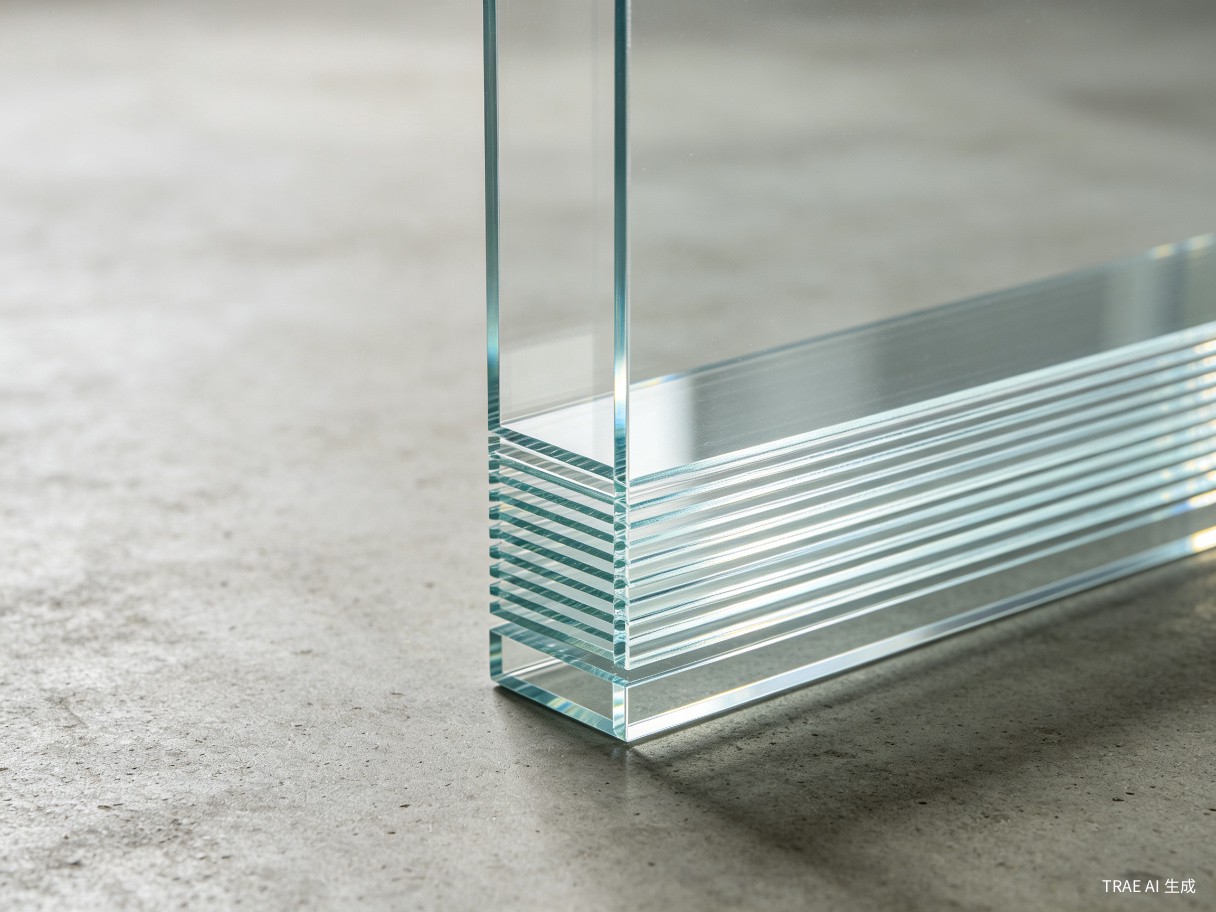
One of the first decisions you’ll face when working with acrylic is choosing the right sheet thickness. It seems like a simple question — how thick does it need to be? — but the answer depends on a surprisingly complex interplay of factors including structural requirements, aesthetic goals, budget constraints, and fabrication methods.
Acrylic sheet thickness is typically measured in millimeters (mm) or inches, with standard sizes ranging from as thin as 1mm to as thick as 50mm or more. The most commonly available thicknesses fall between 2mm and 25mm, covering the vast majority of commercial and DIY applications. Understanding what each thickness offers helps you avoid the common mistake of over-specifying (wasting money on material that’s thicker than needed) or under-specifying (choosing material that’s too thin for the application and fails prematurely).
It’s worth noting that acrylic sheet thickness isn’t always perfectly uniform across a single sheet Read more in our acrylic fabrication guide. Manufacturing tolerances mean that a “3mm” sheet might actually measure anywhere from 2.8mm to 3.2mm. This variation is normal and within industry standards, but it’s something to keep in mind for precision applications. For most display, signage, and fabrication work, these small variations have no practical impact on the final result Read more in our display solutions guide.
Common Thickness Options and Their Uses
Let’s walk through the most popular acrylic sheet thicknesses and what they’re best suited for. This practical guide will help you match your project requirements to the right material.
2mm (Approximately 1/16 inch): This is the thinnest commonly available acrylic sheet. It’s flexible enough to bend by hand and is typically used for picture framing, light box faces, protective covers for documents or menus, and small craft projects. At 2mm, acrylic is quite fragile and not suitable for any application where structural integrity is needed. It scratches easily and won’t support significant weight. However, its flexibility makes it useful for curved applications and situations where the sheet needs to conform to a shape.
3mm (Approximately 1/8 inch): The sweet spot for many display and signage applications. Three-millimeter acrylic is rigid enough to stand upright in a frame or holder while still being lightweight and affordable. It’s the standard choice for retail display cases, countertop sign holders, menu boards, window decals, and medium-sized light boxes. This thickness offers a good balance of clarity, rigidity, and cost. If you’re designing a custom display, 3mm is often the starting point for prototyping.
5mm (Approximately 3/16 inch): When you need more substance and rigidity, 5mm acrylic delivers Read more in our acrylic aquariums guide. This thickness is commonly used for larger signage, structural panels, shelf dividers, aquarium walls (for smaller tanks), and protective barriers. It can support moderate loads without bowing and resists flexing better than thinner sheets. Five-millimeter acrylic is also thick enough to drill and tap for screw fasteners, making it popular for assembled fixtures.
6mm to 8mm (Approximately 1/4 to 5/16 inch): These medium-heavy thicknesses are used for applications requiring significant structural strength. Larger aquariums, load-bearing shelves, machine guards, architectural panels, and heavy-duty display fixtures typically use acrylic in this range. The material is noticeably heavier and more expensive, but it provides the rigidity needed for demanding applications.
10mm to 15mm (Approximately 3/8 to 5/8 inch): Heavy-duty acrylic for serious structural applications. This range is used for large aquarium walls, ballistic-rated windows, structural glazing, industrial sight glasses, and architectural features. At these thicknesses, acrylic becomes quite heavy and expensive, but it offers impressive strength and rigidity. Fabrication at this thickness requires professional tools and techniques.
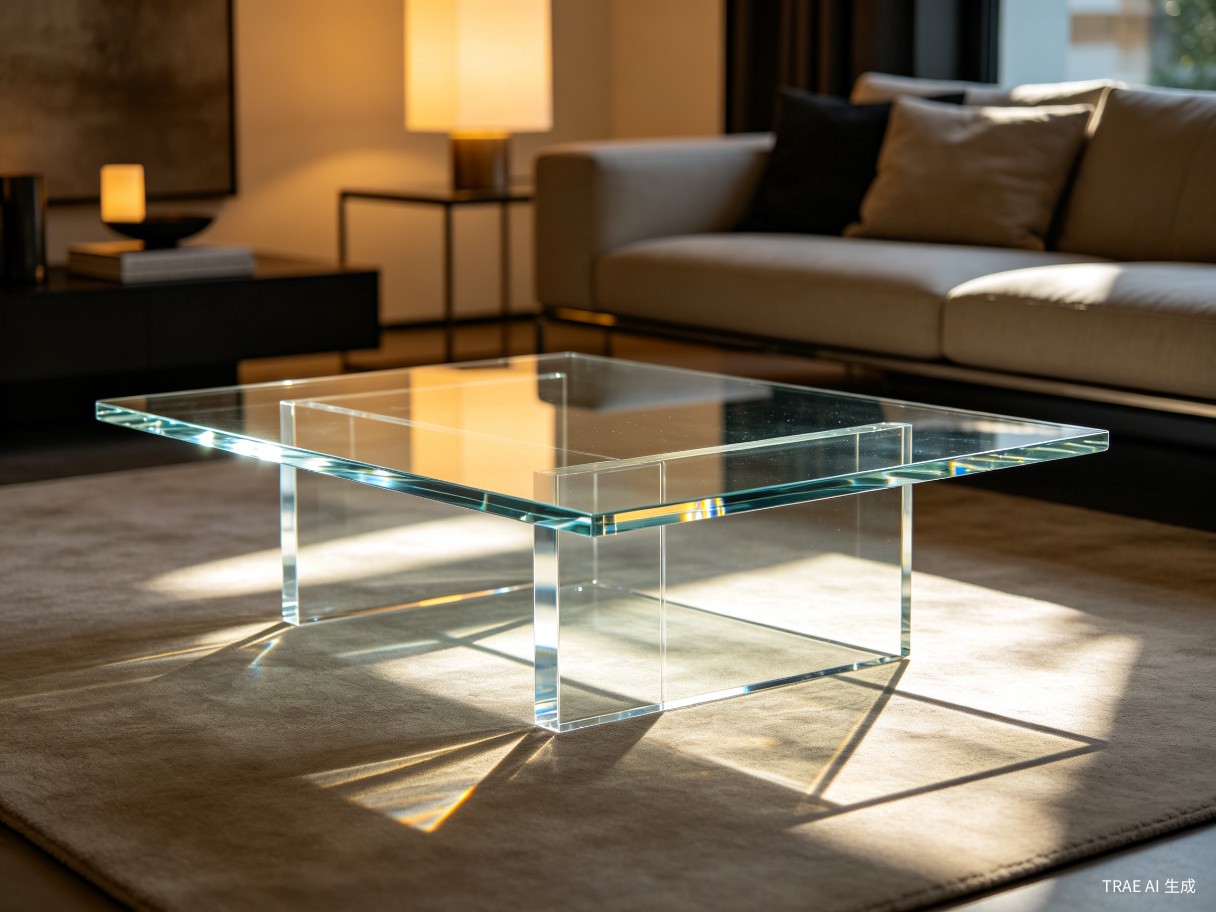
20mm to 25mm+ (Approximately 3/4 to 1 inch): The realm of specialty applications. Ultra-thick acrylic is used for submarine windows, large-scale architectural installations, premium furniture pieces, and industrial applications where both transparency and extreme strength are required. Working with acrylic this thick requires specialized equipment and expertise.
How to Choose the Right Thickness
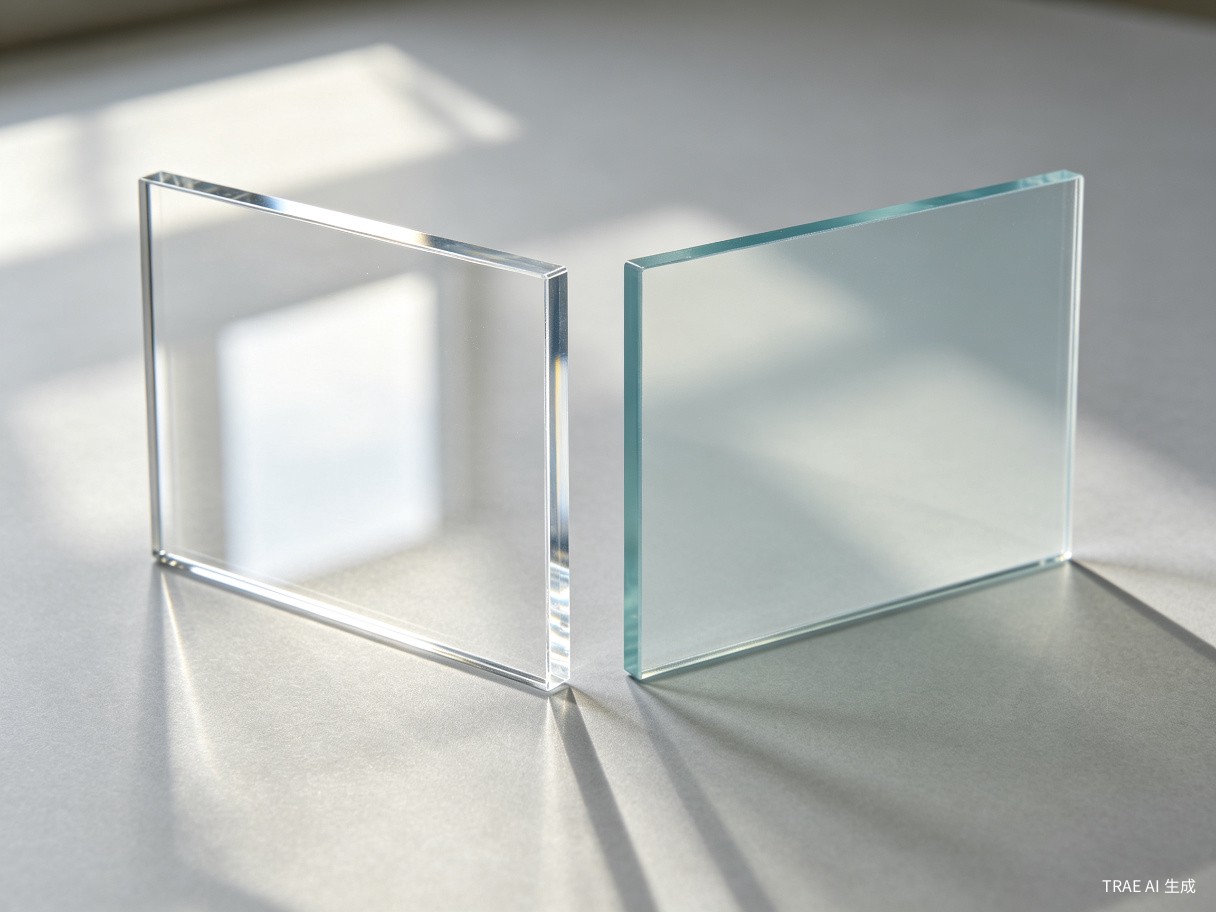
Selecting the right thickness involves asking yourself a few key questions about your project. Work through these considerations systematically and you’ll arrive at the right choice.
What loads will the acrylic bear? This is the most critical question. A small photo frame holds no load beyond its own weight, so 2mm is plenty. A retail shelf holding heavy products needs 5mm or more depending on the span. A large aquarium holding hundreds of gallons of water might need 15mm or thicker. When in doubt, go slightly thicker — the cost increase is usually modest compared to the risk of failure.
How large is the sheet? Larger sheets need to be thicker to resist bowing and flexing under their own weight. A 24×24 inch panel can get away with 3mm, but a 48×96 inch panel of the same thickness will sag noticeably unless supported. As a general rule, increase thickness proportionally with the square of the span for unsupported panels.
Will it be exposed to impact? If your acrylic will be in a public space where it might be bumped, leaned on, or struck, choose a thicker sheet. Even if the impact isn’t dramatic, repeated minor impacts can cause stress fractures in thin acrylic over time.
What’s your budget? Acrylic price scales roughly linearly with thickness — a 6mm sheet costs roughly twice as much as a 3mm sheet of the same dimensions. Balance your structural needs against your budget, and remember that over-engineering is almost always cheaper than replacing a failed installation.
Choosing Acrylic Thickness for Real-World Projects
Selecting the right thickness depends on the application, span distance, and load requirements. Here are four common scenarios where thickness choice directly impacts project success.
Custom Aquarium Build Planning
Aquarium builders carefully calculate acrylic thickness based on tank height, water volume, and pressure calculations. Taller tanks need thicker acrylic to withstand greater water pressure at the bottom. A 100-gallon aquarium might use 12-15mm acrylic on the sides, while a 500-gallon tank requires 20-30mm material. Getting the thickness wrong risks catastrophic failure and water damage, making accurate calculations essential before cutting the first sheet.
Sign Fabrication and Installation
Sign makers select acrylic thickness based on sign size, mounting method, and whether the sign will be indoors or outdoors. Small indoor signs use 3-5mm acrylic, while large outdoor signs need 8-10mm for wind resistance and structural stability. Thicker signs also look more substantial and premium, justifying higher prices for commercial clients. Edge-lit signs require specific thicknesses to optimize light transmission through the material.
Shelf and Storage System Design
Designers of acrylic shelving systems balance thickness, span distance, and expected load capacity. A 12-inch deep shelf holding lightweight cosmetics can use 5mm acrylic, while a 24-inch pantry shelf holding cans and jars needs 10-12mm material. Thicker shelves sag less and hold more weight but cost more. Getting the thickness right means shelves look elegant while being strong enough for their intended purpose without unnecessary material waste.
Display Case and Enclosure Construction
Display case builders choose acrylic thickness based on case size, whether the case needs to be lockable, and what it will display. Small countertop jewelry cases work fine with 3-5mm material. Large floor-standing museum display cases holding heavy artifacts need 8-12mm acrylic for structural integrity and security. Thicker acrylic also provides better sound dampening and a more substantial, high-end feel that justifies premium pricing in retail and museum environments.
Thickness and Cost Relationship
Understanding how thickness affects pricing helps you optimize your material budget. Acrylic is typically sold by the square foot or square meter, with the price per unit area increasing with thickness.
As a rough benchmark, if 3mm acrylic costs $X per square foot, expect to pay approximately:
- 2mm: about 70% of the 3mm price
- 5mm: about 150% of the 3mm price
- 8mm: about 250% of the 3mm price
- 10mm: about 300% of the 3mm price
- 15mm: about 500% of the 3mm price
These ratios vary by supplier, quantity, and acrylic grade, but they illustrate the exponential cost increase with thickness. This is why it’s so important to specify the minimum thickness that meets your requirements — going from 3mm to 5mm might seem like a small jump, but it increases your material cost by 50% across a large project.
Volume purchasing can significantly reduce per-unit costs. If your project requires multiple sheets, buying in bulk often triggers discounts of 10-25% depending on the supplier and quantity. It’s also worth asking about off-cuts or remnants if your project uses smaller pieces — many fabricators sell leftover material at substantially reduced prices.
Specialty Thickness for Unique Projects
Beyond the standard thickness range, there are specialty options for specific applications that deserve mention.
Cast vs. Extruded: The manufacturing method affects available thicknesses and properties. Cast acrylic is available in a wider range of thicknesses (up to 4 inches or more) and offers superior optical quality, chemical resistance, and thermal stability Read more in our acrylic vs polycarbonate guide. Extruded acrylic is limited to thinner sizes (typically up to about 30mm) but offers tighter thickness tolerances and lower cost. For most visual applications, cast acrylic is preferred.
Textured and Patterned Sheets: These are available in standard thicknesses but may behave differently than clear sheets of the same nominal thickness. Frosted, hammered, and prismatic patterns add visual interest but can affect structural performance. Always consult with your supplier about the specific properties of textured sheets.
Colored Acrylic: Colored sheets are available across the standard thickness range. Darker colors absorb more heat from sunlight, which can cause thermal expansion issues in outdoor applications. If you’re using thick colored acrylic outdoors, account for expansion in your mounting design.
Working with Different Thicknesses
Each thickness range requires slightly different fabrication approaches. Understanding these differences helps you plan your project and choose the right tools.
Thin acrylic (2-3mm) can be scored and snapped by hand for straight cuts. It’s easy to drill with standard bits and bends readily with low heat. However, it’s also easy to over-tighten fasteners, causing cracks, and it flexes enough to make precise alignment challenging in assemblies.
Medium acrylic (5-8mm) requires power tools for cutting — a jigsaw with a fine-tooth blade or a circular saw with an acrylic-cutting blade works well. Drilling requires more care to manage heat buildup, and you should use proper cutting techniques to avoid chipping. This thickness range offers the most versatility for fabrication and is the sweet spot for custom projects.
Thick acrylic (10mm+) typically requires professional fabrication equipment Read more in our acrylic care guide guide. CNC routers, laser cutters, or industrial circular saws are needed for clean cuts. Drilling requires specialized bits and cooling to prevent melting. Bending requires industrial strip heaters or ovens. If your project involves thick acrylic, consider working with a professional fabricator unless you have access to the right equipment and experience.
Choosing the right acrylic sheet thickness isn’t complicated once you understand the relationship between thickness, strength, cost, and workability. Start with the minimum thickness that meets your structural requirements, then adjust upward based on aesthetic preferences, environmental factors, and budget. When in doubt, consult with your acrylic supplier — they have the experience to guide you toward the optimal choice for your specific application.
Frequently Asked Questions
What thickness of acrylic sheet should I use?
It depends on the application. 2-3mm for signage and crafts, 5-6mm for shelves and displays, 10-20mm for aquariums and structural applications.
What are the standard acrylic sheet thicknesses?
Common thicknesses include 2mm, 3mm, 5mm, 6mm, 8mm, 10mm, 12mm, 15mm, 20mm, and 25mm. Availability varies by supplier and material type.
How is acrylic sheet thickness measured?
Acrylic thickness is measured in millimeters. Some suppliers list nominal thickness while others provide actual measured thickness, which can vary slightly from the nominal size.
Does thicker acrylic cost more?
Yes, thicker sheets cost more per sheet because they use more material. However, thicker acrylic can sometimes reduce overall project costs by eliminating the need for additional support structures.
What is the most common acrylic thickness?
3mm and 5mm are the most commonly used thicknesses for general applications like signs, displays, and crafts. Industrial and structural projects use 10mm and thicker.
What thickness acrylic should I use for a display case?
Most display cases use 3-5mm acrylic for the sides and top. Larger floor-standing cases or those holding heavy items may need 6-8mm for structural rigidity.
Can I bend thin acrylic sheets easier than thick ones?
Thin acrylic heats faster and bends more easily than thick material. Thick acrylic requires longer heating times and more heat penetration to bend evenly through the full thickness.