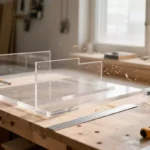
When you need a clear, strong plastic sheet for a project, two names almost always come up: acrylic and polycarbonate. They look similar on the shelf, they’re both used for similar applications, and they’re often described interchangeably — but they’re very different materials with very different strengths, weaknesses, and best uses. Choosing the wrong one can lead to cracked panels, yellowed surfaces, or spending far more than you need to. This side-by-side comparison breaks down everything that matters so you can pick the right material for your project with confidence.
Understanding Acrylic and Polycarbonate
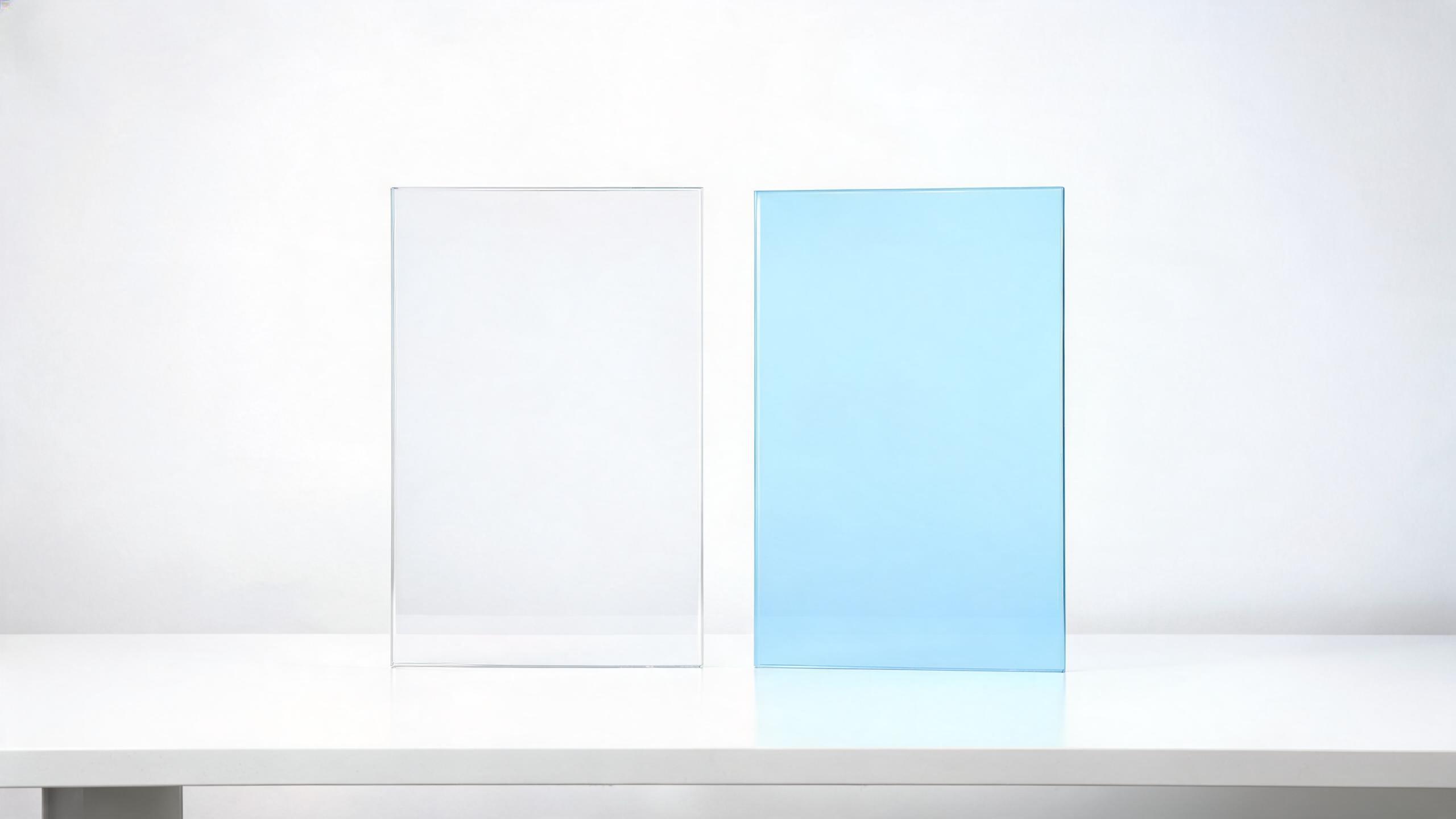
When you’re planning a project that calls for transparent or translucent sheet material, two names almost always come up: acrylic and polycarbonate. Both are incredibly popular across industries ranging from retail and signage to construction and automotive design. But despite their similar appearance, these two materials behave very differently in real-world applications.
Acrylic, scientifically known as polymethyl methacrylate (PMMA), has been a staple in manufacturing since the 1930s Read more in our acrylic display solutions guide. It earned the trade name “Plexiglass” and has since become synonymous with crystal-clear displays, elegant signage, and museum-quality showcases. Polycarbonate, on the other hand, emerged later and built its reputation on one standout quality: virtually unbreakable toughness.
The key to making the right choice lies in understanding what each material does best. Neither is universally superior — it all depends on your specific needs. Are you prioritizing optical brilliance and scratch resistance, or do you need something that can survive a direct impact without shattering? Let’s break down the differences so you can make an informed decision for your next project.
Optical Clarity: A Side-by-Side Comparison
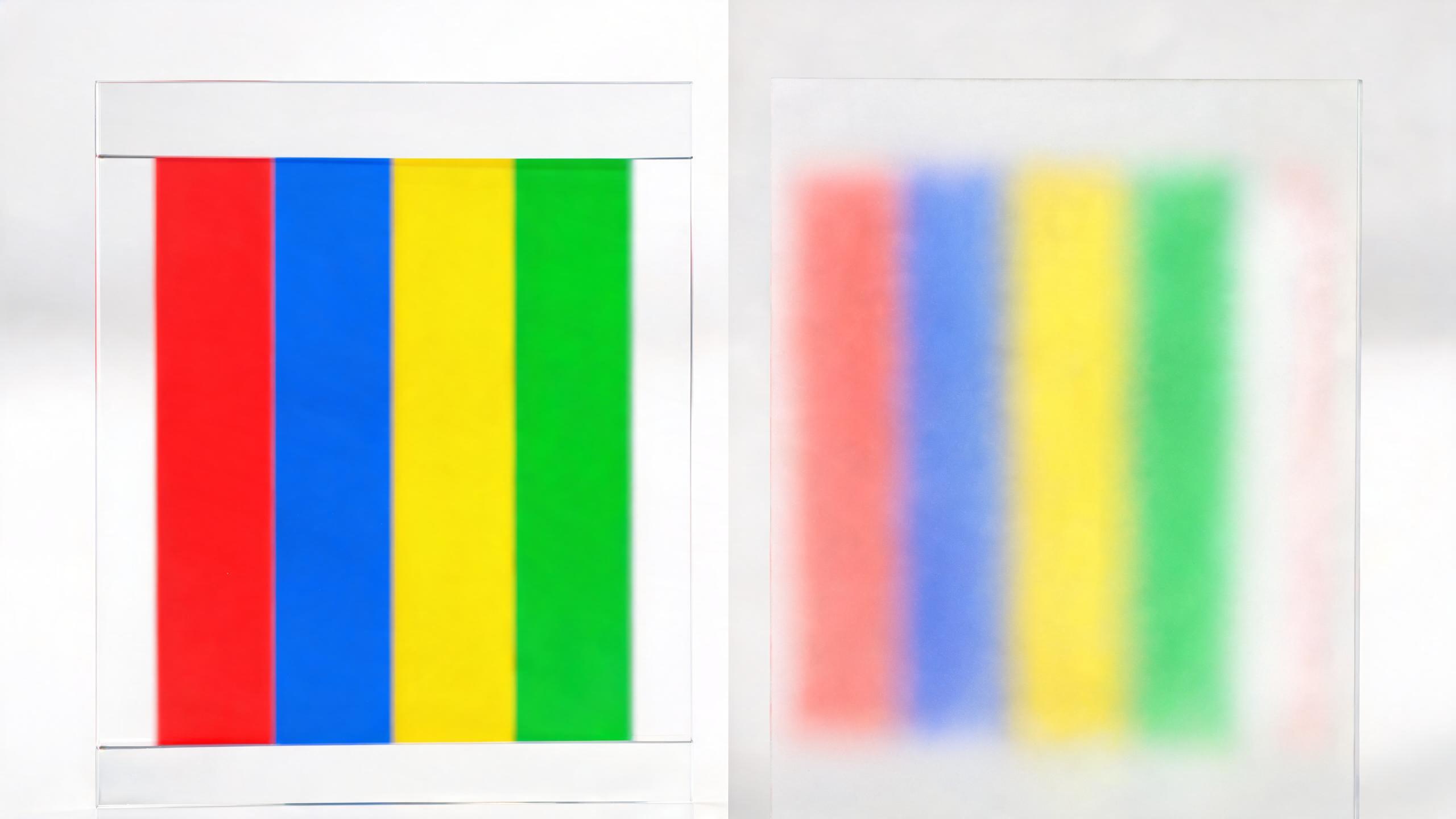
If visual perfection is your top priority, acrylic takes the crown. Acrylic sheets transmit about 92% of visible light — that’s actually more than standard glass, which typically transmits around 88-90%. The result is a material that looks brilliantly clear, almost as if it isn’t there at all. This makes acrylic the go-to choice for display cases, retail fixtures, picture frames, and anywhere else where showcasing the product behind the material matters.
Polycarbonate is also transparent, transmitting roughly 88-90% of light, comparable to glass. However, there’s a subtle difference that becomes noticeable in certain conditions. Polycarbonate has a slightly lower refractive index, which means it can produce faint color shifts or a barely perceptible yellowish tint over time, especially when exposed to UV light for extended periods. For most applications this is negligible, but for high-end retail displays or gallery presentations where color accuracy is critical, acrylic’s superior clarity makes a noticeable difference.
Another factor is surface quality. Acrylic can be polished to a flawless, glass-like finish on its edges and surfaces. Polycarbonate, while it can be polished, tends to have a slightly softer surface that shows fine scratches more readily. Over time in high-traffic environments, an acrylic display case will maintain its pristine appearance longer than a polycarbonate one.
Durability and Impact Resistance
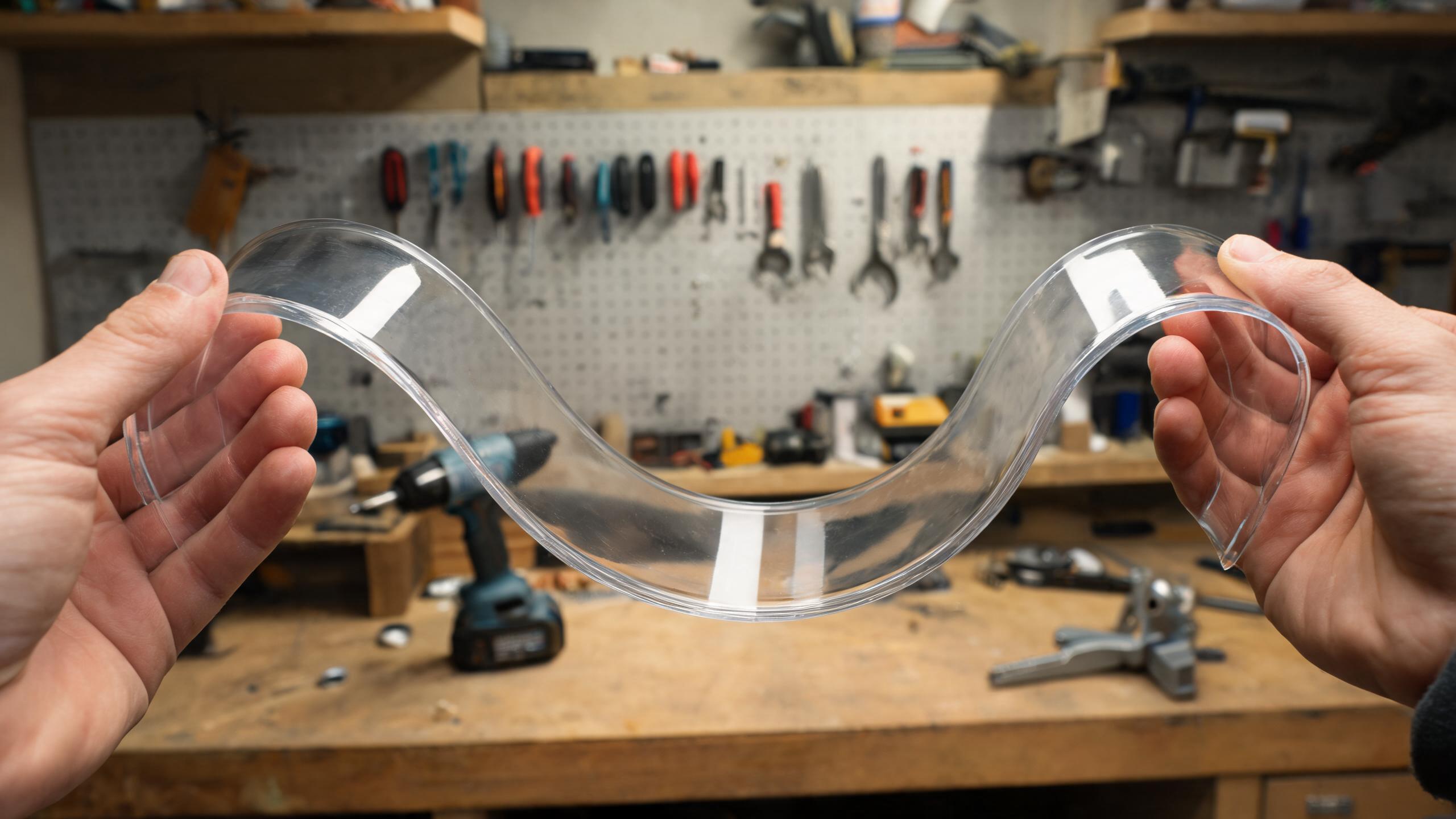
This is where polycarbonate flexes its muscles — and it’s not even close. Polycarbonate is often described as “virtually unbreakable,” and for good reason. It has an impact strength roughly 250 times greater than glass and about 30 times greater than acrylic of the same thickness Read more in our acrylic sheet thickness guide. This is why polycarbonate is the material of choice for bulletproof windows, riot shields, safety goggles, and children’s play equipment. In scenarios where safety and impact protection are paramount, there simply is no substitute for polycarbonate’s remarkable toughness.
To put this in perspective: if you were to hit a sheet of acrylic with a hammer, it would likely crack or shatter. Hit a polycarbonate sheet the same way, and it would dent or flex but remain intact. This extraordinary toughness comes from polycarbonate’s molecular structure, which allows it to absorb and distribute impact energy rather than fracturing.
Acrylic is by no means fragile — it’s about 17 times more impact-resistant than glass — but it is significantly more brittle than polycarbonate. Acrylic will crack under concentrated impact, especially at stress points like drilled holes or sharp corners. However, acrylic excels in a different kind of durability: weather resistance. Acrylic is highly resistant to UV degradation and won’t yellow or become brittle from sun exposure the way polycarbonate can. For outdoor signage and displays that need to look good for years, acrylic is often the better long-term choice. Many architects and sign makers specifically request UV-stable cast acrylic for exterior installations because it maintains its color and clarity even after decades of exposure.
Cost Analysis: Which Offers Better Value
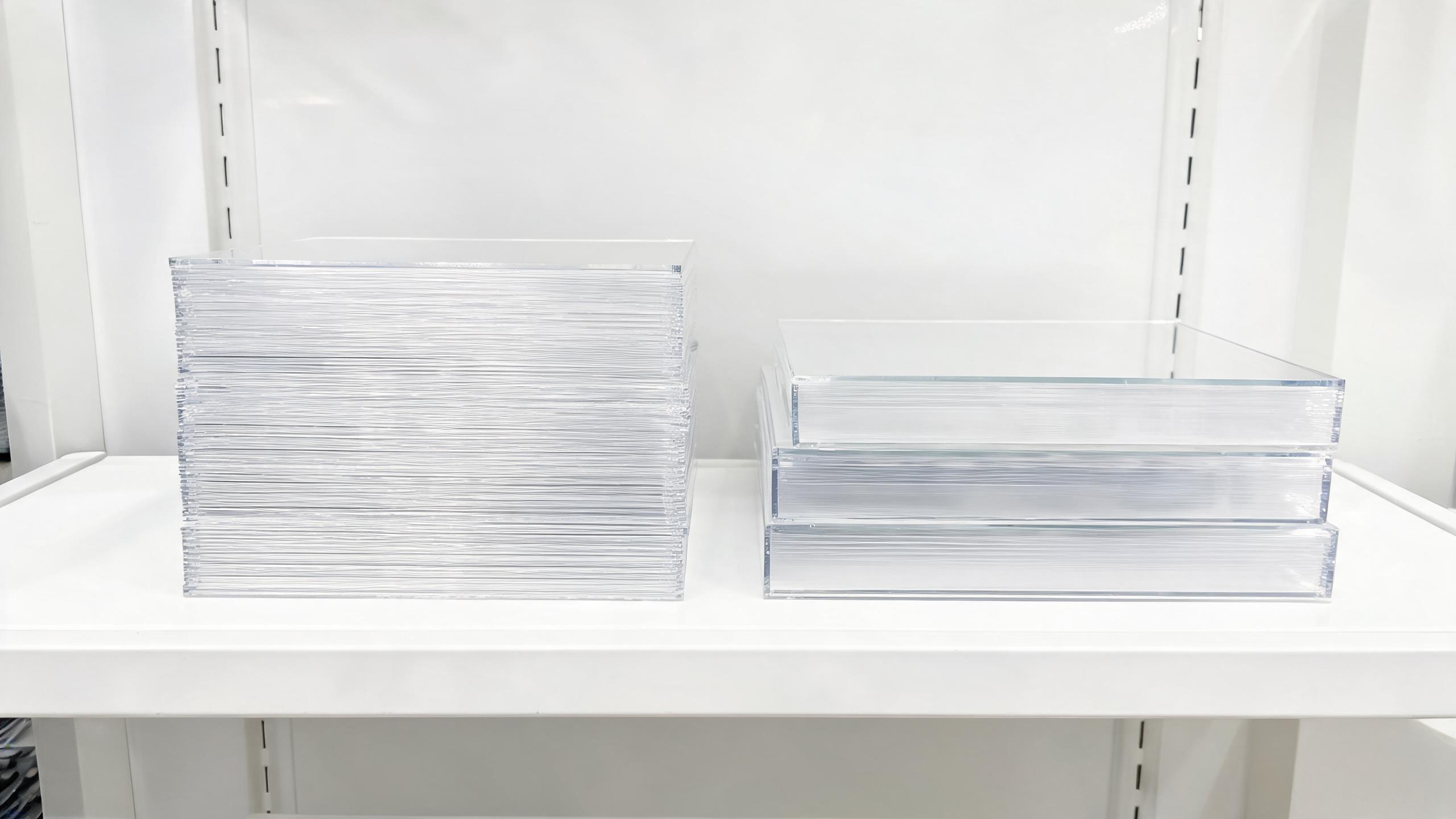
Budget considerations play a significant role in material selection, and here acrylic has a clear advantage. Acrylic sheets typically cost 30-50% less than equivalent polycarbonate sheets. For a business outfitting multiple display cases or creating a large signage installation, this price difference can add up to substantial savings.
But cost analysis shouldn’t stop at the raw material price. You also need to factor in fabrication costs, tool wear, and replacement frequency. Polycarbonate’s toughness makes it harder to cut, drill, and machine, which means higher fabrication costs and more frequent tool replacement. Acrylic, by contrast, is relatively easy to work with using standard woodworking tools, which keeps fabrication costs down. If you’re planning to cut and shape the material yourself, acrylic is far more forgiving for DIY projects.
Replacement costs also matter. While polycarbonate lasts longer in high-impact environments, acrylic maintains its optical clarity longer in normal conditions. If your displays are in a controlled indoor environment where impact risk is low, acrylic’s lower initial cost plus its long-lasting clarity makes it the more economical choice over the product lifecycle.
Best Applications for Each Material
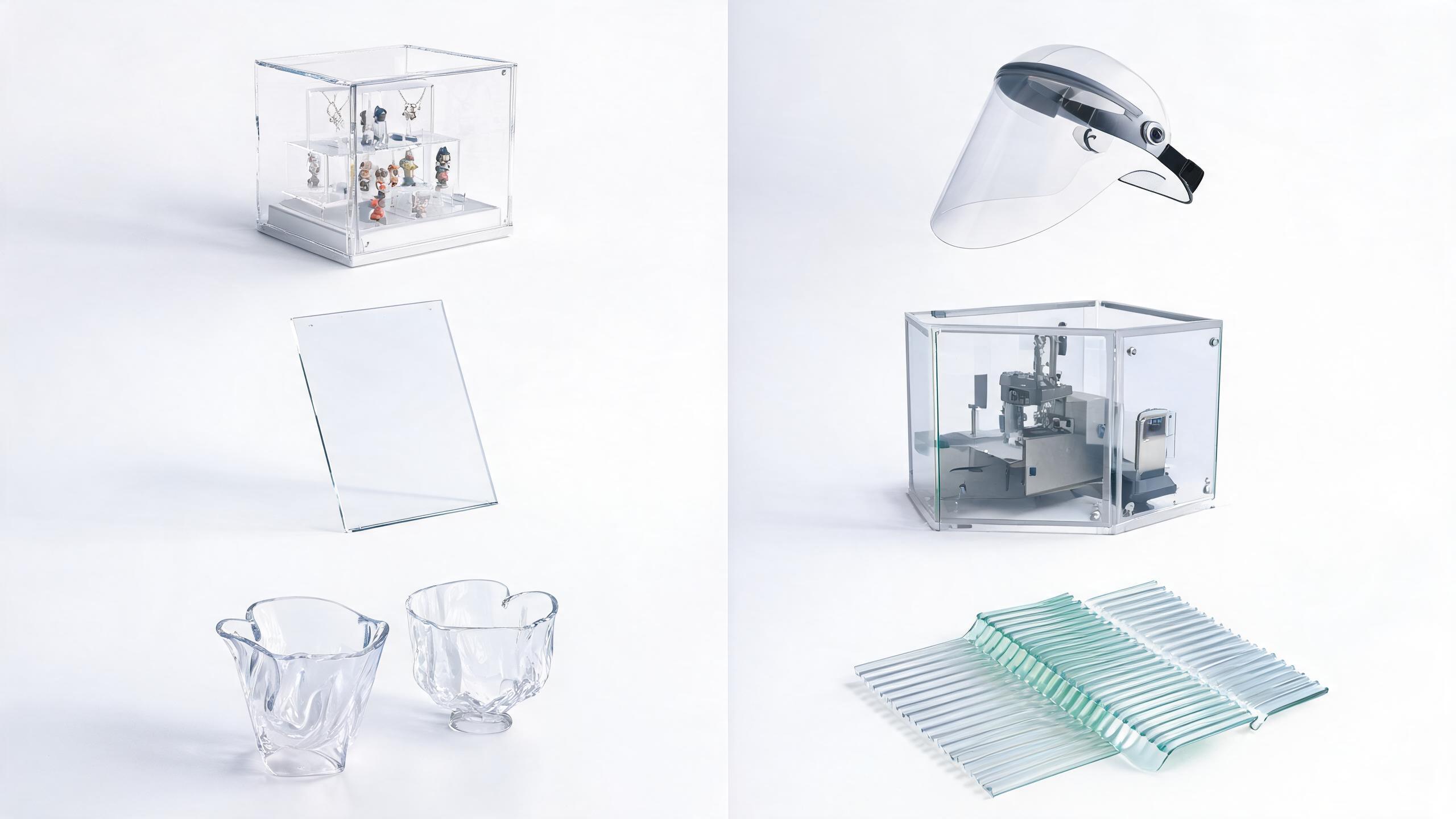
Understanding which material suits which application helps eliminate guesswork. Here’s a practical breakdown:
Choose Acrylic When:
- You need crystal-clear optical quality for retail displays, museum cases, or picture frames
- The application is primarily indoors or sheltered from extreme impact
- Budget is a consideration and you need large surface areas covered
- UV resistance and weatherability are important (outdoor signage, architectural glazing)
- You need to achieve a polished, high-end aesthetic finish
- The display or fixture will be cleaned regularly and needs to resist scratching
Choose Polycarbonate When:
- Impact resistance is the primary concern (safety glazing, protective barriers, machine guards)
- The application involves curved or complex shapes that benefit from polycarbonate’s flexibility
- You’re working in extreme temperature environments where thermal shock resistance matters
- The material will be used in security applications (vandal-resistant glazing, riot shields)
- You need a lightweight material that can withstand rough handling during shipping and installation
Real-World Scenarios: Choosing Between Acrylic and Polycarbonate
The right material depends on your specific application and priorities. Here are four common scenarios and which material typically works best for each situation.
Greenhouse and Garden Glazing
Greenhouse builders choose between acrylic and polycarbonate based on climate, budget, and durability needs. Multi-wall polycarbonate panels provide better insulation and impact resistance for cold climates with hail risk, making them the standard for serious greenhouse construction. Acrylic sheets offer better light transmission and clarity for smaller hobby greenhouses in milder climates, where appearance matters more than extreme weather resistance.
Machine Guard and Safety Shield Installation
Industrial facilities and workshops need safety guards around machinery to protect workers from flying debris and moving parts. Polycarbonate is almost always the choice here because of its unmatched impact resistance—it can withstand substantial impacts without shattering. Acrylic would crack or shatter under the same conditions, making it unsuitable for industrial safety applications where flying chips and debris are common.
Retail Signage and Storefront Display
Retail environments typically favor acrylic for signage and display applications because of its superior optical clarity, lower cost, and better polishability. Acrylic signs look sharper, transmit more light, and maintain their appearance in indoor retail settings where impact risk is low. Polycarbonate would only be chosen for high-risk retail locations like mall kiosks or areas with frequent customer contact that might cause damage.
School and Playground Safety Shields
Schools, daycares, and playgrounds use safety shields around climbing structures, slides, and swing sets to protect children from falls and collisions. Polycarbonate is the material of choice here because of its extreme impact resistance and shatterproof nature. Children climbing, jumping, and occasionally falling against these barriers need the highest level of protection, and polycarbonate delivers that peace of mind to school administrators and parents alike.
Fabrication and Workability
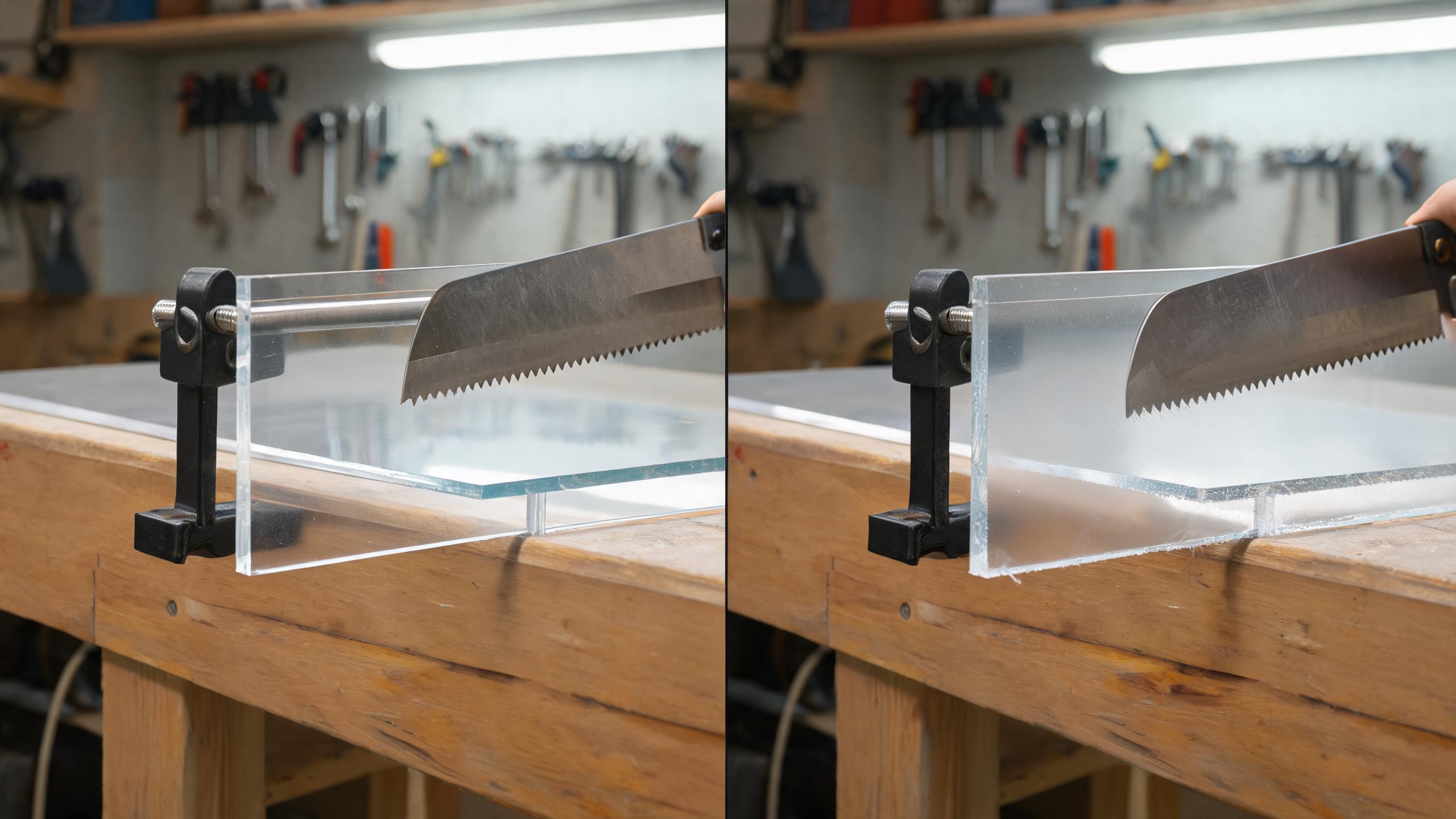
How easily you can cut, drill, bend, and finish a material directly affects your project timeline and costs. Acrylic is generally considered more workable for custom fabrication projects. It can be cut with a scoring knife for thin sheets, or with standard woodworking tools like jigsaws and circular saws for thicker pieces. It drills cleanly with the right technique, bends beautifully with heat, and glues together with solvent cement for seamless, nearly invisible joints.
Polycarbonate presents more fabrication challenges. It tends to gum up cutting blades and drill bits due to its lower melting point and softer nature. Specialized tools and techniques are often needed to achieve clean cuts without melting or chipping the edges. Bending polycarbonate requires careful temperature control because it has a narrower working temperature range than acrylic. And while polycarbonate can be glued, the bonds are generally not as crystal-clear as acrylic solvent welds.
For businesses that need custom fabrication work, acrylic’s workability means faster turnaround times and lower labor costs. Many fabrication shops charge a premium for polycarbonate work precisely because it requires more skill, patience, and specialized tooling.
Long-Term Performance and Maintenance
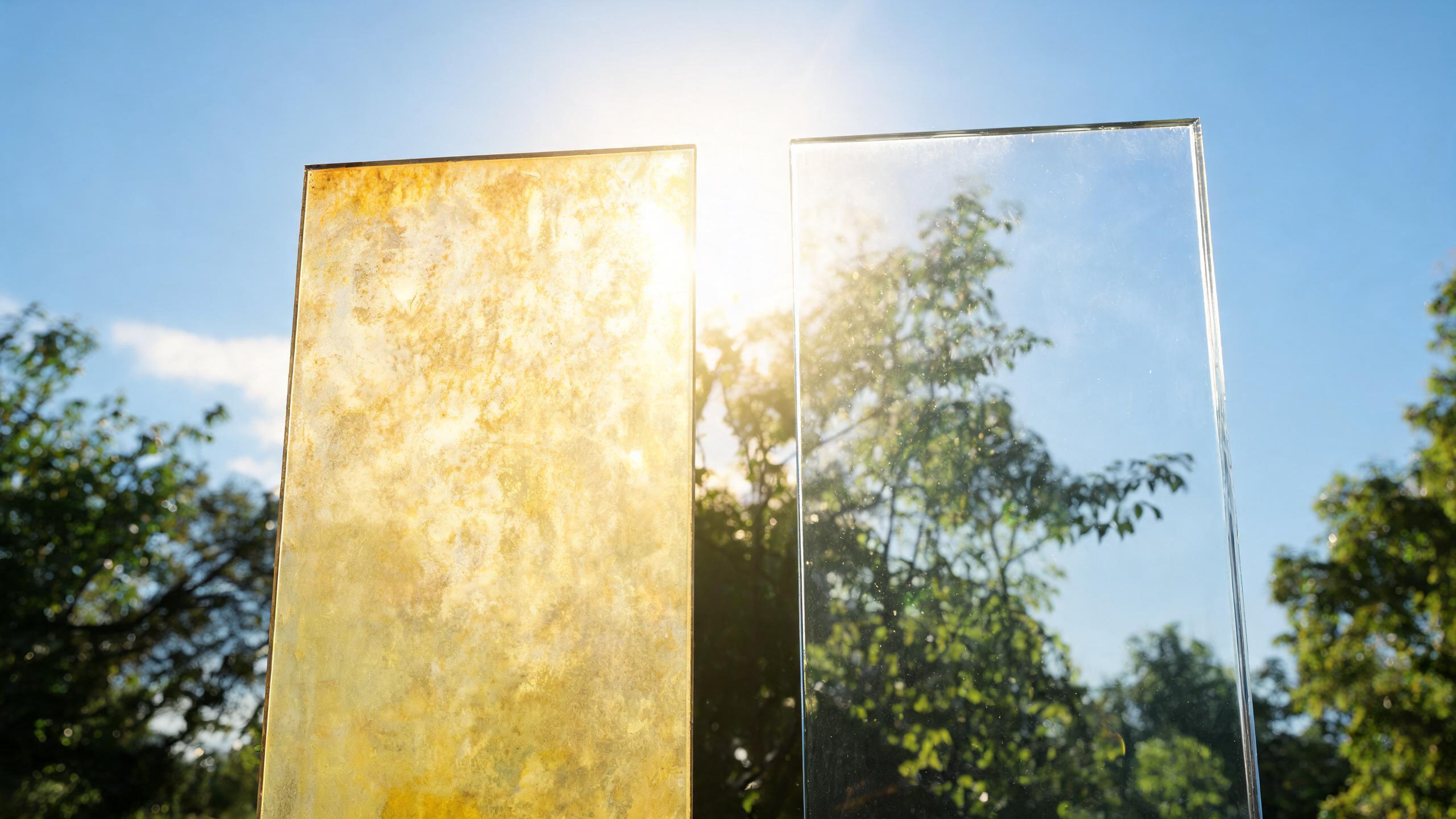
Both materials can deliver years of reliable service when properly maintained, but their aging characteristics differ significantly. Acrylic maintains its optical clarity exceptionally well over time. Even after years of indoor use, a well-maintained acrylic sheet looks virtually indistinguishable from a new one. Outdoors, UV-resistant grades of acrylic can last 10-20 years without significant yellowing or degradation.
Polycarbonate, while incredibly tough, is more susceptible to UV-induced yellowing over time. Unless specifically treated with a UV-resistant coating, standard polycarbonate will gradually develop a yellowish tint when exposed to sunlight. This doesn’t affect its structural integrity, but it does compromise the visual clarity that many applications demand. UV-coated polycarbonate is available, but it adds to the cost and the coating can eventually wear or scratch off.
In terms of everyday maintenance, both materials require gentle cleaning with mild soap and water. Neither should be cleaned with ammonia-based products or abrasive materials. However, acrylic’s harder surface is more resistant to minor scratches from routine cleaning, giving it an edge in environments where displays are wiped down daily. If you want to keep your acrylic looking its best over the long haul, following a proper cleaning regimen makes all the difference in preserving that factory-fresh clarity.
Ultimately, the choice between acrylic and polycarbonate comes down to your priorities. For most display, signage, and visual merchandising applications, acrylic offers the best combination of clarity, workability, cost-effectiveness, and long-term appearance. Polycarbonate is the specialist’s choice when impact resistance and durability under extreme conditions are non-negotiable requirements.
Still unsure which material fits your project? Consider starting with a small sample of each and testing them in your specific environment. Many suppliers offer sample packs that let you evaluate clarity, feel, and workability firsthand. The small cost of sampling can prevent a much larger mistake on a full-order commitment. Whichever material you choose, both acrylic and polycarbonate are versatile, reliable options that, when properly selected and maintained, will serve your business well for years to come.
Frequently Asked Questions
Which is more expensive, acrylic or polycarbonate?
Acrylic is generally 20-30% less expensive than polycarbonate of the same thickness and size. Polycarbonate costs more due to its superior impact resistance.
Can I use acrylic instead of polycarbonate?
For most indoor display and signage applications, acrylic is the better choice due to its clarity and lower cost. For safety glazing or high-impact environments, polycarbonate is necessary.
Does polycarbonate yellow over time?
Yes, uncoated polycarbonate yellows faster than acrylic when exposed to UV sunlight. UV-stabilized polycarbonate resists yellowing much better for outdoor use.
Which material is easier to fabricate?
Acrylic is easier to cut, polish, and glue with standard tools. Polycarbonate is tougher and requires specialized tools and different adhesives for proper bonding.
Is polycarbonate food-safe?
Yes, polycarbonate is FDA-approved for food contact. However, due to BPA concerns, many food applications now use acrylic or BPA-free polycarbonate alternatives.
Can acrylic and polycarbonate be glued together?
Not with solvent cement, which only works on the same material. Use mechanical fasteners, silicone adhesive, or double-sided foam tape to join acrylic and polycarbonate parts.
Which is better for outdoor use?
UV-stabilized acrylic generally performs better outdoors because it resists yellowing better than uncoated polycarbonate. Both work outdoors when properly formulated with UV inhibitors.