

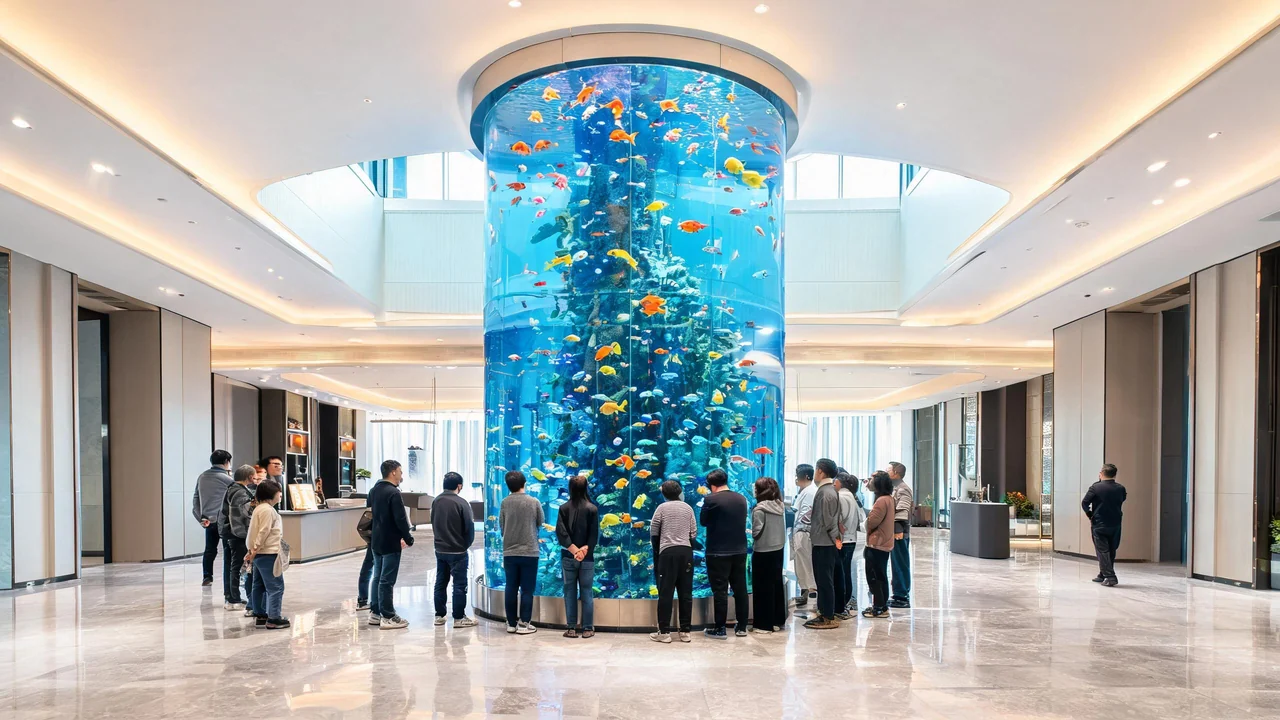
Walk into any upscale hotel lobby or public aquarium and you will likely see a massive acrylic tank holding thousands of gallons of water — and the fish inside look perfectly clear from every angle. That kind of viewing experience is hard to get with glass. In this guide, we break down what makes acrylic a popular choice for aquariums, how it compares to glass, what thickness you need, and the kinds of projects where it really shines.
Why Choose Acrylic for Aquariums?
Acrylic, also called PMMA or plexiglass, has been used in aquarium construction for decades. It is not that acrylic is always better than glass — the right material depends on the project. But for large tanks, custom shapes, and public displays, acrylic is usually the better choice.
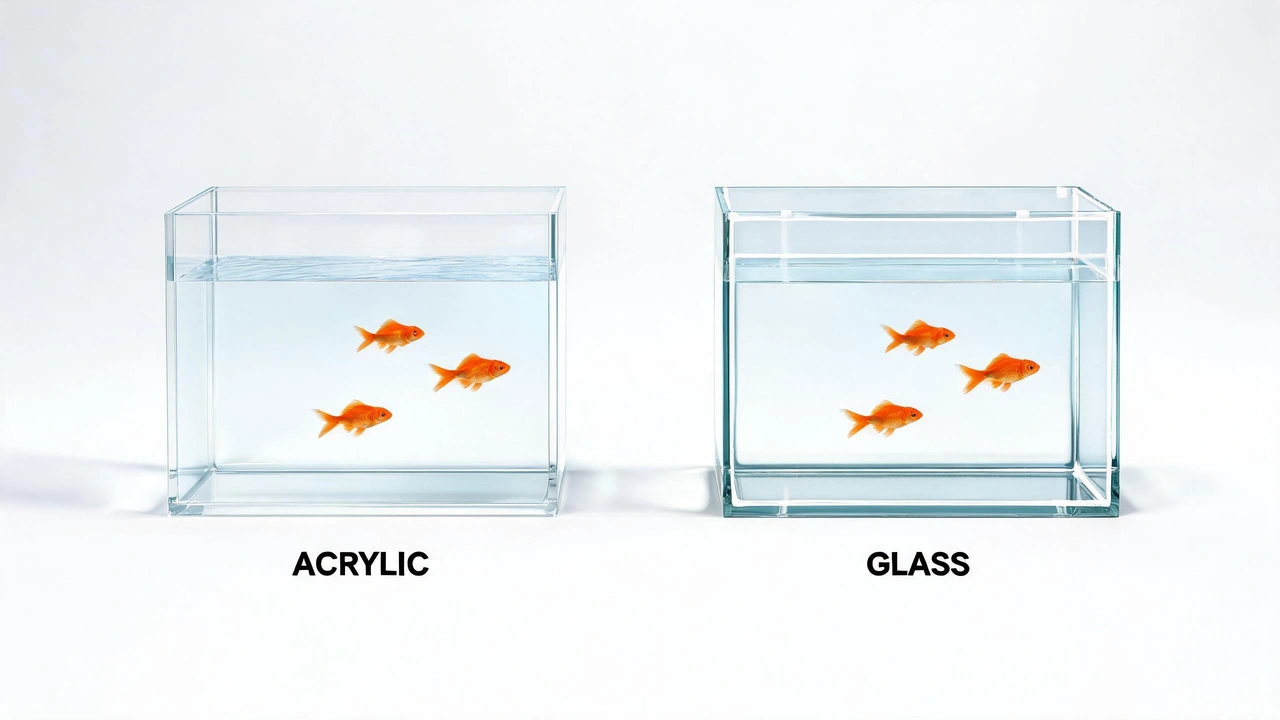
The biggest reasons people go with acrylic are clarity, shape flexibility, and safety. A thick acrylic panel stays crystal clear from edge to edge, while thick glass takes on a noticeable green tint. Acrylic can also be formed into curves and cylinders without losing optical quality, which glass simply cannot do at a reasonable cost. And if something hits the tank — a cleaning tool, a child, a falling object — acrylic is far less likely to shatter. For more details, see our acrylic vs polycarbonate guide.
Clarity that holds up at any thickness
Cast acrylic lets through about 92% of visible light, similar to high-quality glass. Where it really stands out is thickness. Glass aquariums are usually built with relatively thin panels held in a frame, because thick glass gets expensive and the edges start to look green. Acrylic panels can be an inch or two thick for large tanks, and you still get a perfectly clear view straight through. For more details, see our acrylic sheet thickness guide.
For curved tanks, this advantage is even bigger. A properly formed acrylic curve stays optically consistent along the whole bend, giving you a panoramic view without distortion. Glass curves are possible but expensive, and the optical quality is usually not as good.
Shapes you cannot do with glass
Acrylic can be heated, formed, and welded into almost any shape. Cylinders, hexagons, bowfronts, L-shaped dividers, even irregular shapes that follow a building’s architecture. The seams between acrylic panels are chemically welded — the two pieces bond at the molecular level, creating a joint that is almost invisible and just as strong as the rest of the material.
Glass tanks are basically rectangles, and that is about it. You can get bowed front panels, but they are set in a frame and the options are limited. If you want a tank that doubles as an architectural feature, acrylic is what makes it possible.
Lighter and easier to work with
Acrylic weighs roughly half of what glass weighs for the same size and thickness. For a 300-gallon tank, that difference adds up to hundreds of pounds. It matters for floor loading, delivery, and installation — especially if the tank is going on an upper floor or into a space with tight access.
The lower weight also means less structural support is needed for the stand and the floor below. For commercial and public installations where engineering is a significant part of the budget, this can be a real cost saver.
| Acrylic Aquarium | Glass Aquarium | |
| Clarity | 92% light transmission, stays clear at any thickness | Good clarity, but thick panels show green edge tint |
| Shape options | Curved, cylindrical, custom shapes | Mostly rectangular; limited bowed options |
| Weight | About 50% lighter | Heavier standard |
| Impact resistance | 10-17x stronger than glass | Brittle, can crack or shatter |
| Scratches | Scratches easier, but can be buffed out | More scratch-resistant, but scratches are permanent |
| Seams | Nearly invisible when welded properly | Silicone joints visible at corners |
| Best for | Large, custom, or public display tanks | Standard rectangular residential tanks |
Acrylic Grades and Thickness for Aquariums
Not all acrylic is aquarium-grade. Using the right type of acrylic and the right thickness is what keeps a tank holding water safely and looking good for years.
Cast vs extruded acrylic
Cell-cast acrylic is the standard for aquarium construction. It is made by pouring liquid monomer between two glass sheets and letting it cure slowly. The result is a material with uniform quality, excellent clarity, and consistent thickness. It also polishes to a glass-like finish after cutting, which is important for clean, invisible welds. For more details, see our cleaning acrylic guide.
Extruded acrylic is cheaper, but it is generally not recommended for tank walls. It has more internal stress, more thickness variation, and lower molecular weight — all of which matter when the material is under constant water pressure. Extruded acrylic is fine for non-structural parts like lids, overflow boxes, or internal weirs, but the tank itself should be cast.
| Cell-Cast Acrylic | Extruded Acrylic | |
| Clarity | Excellent, uniform across the sheet | Good, but slight variations possible |
| Thickness consistency | Very consistent (±5%) | More variation (±10-15%) |
| Weld strength | Strong, clear bond | Weaker welds, more visible joints |
| Polish quality | Glass-clear edge finish | Decent but less brilliant |
| Cost | Higher | Lower |
| Use in aquariums | Tank walls and structural panels | Lids, internal parts, non-structural pieces |
How thick should the acrylic be?
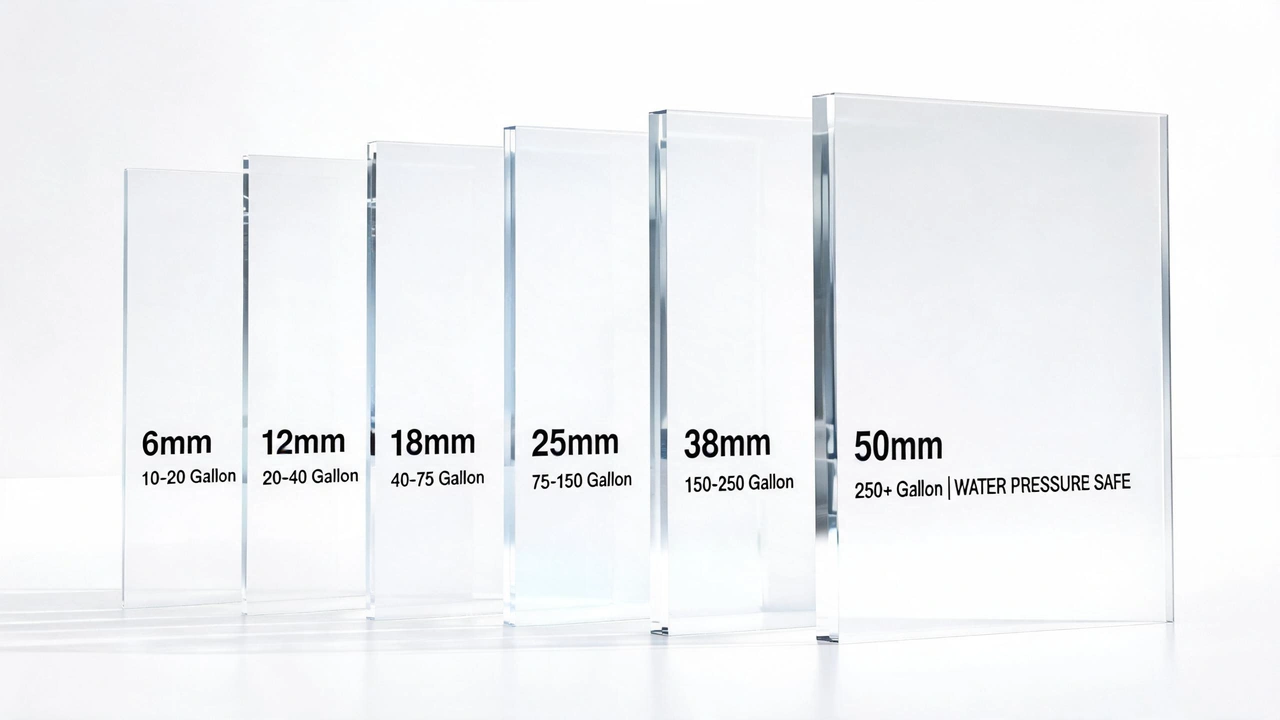
Thickness depends mainly on two things: how tall the water is (which determines water pressure) and how wide the panel is without support. Taller water means more pressure at the bottom, and wider panels bow more easily.
These are general guidelines for flat panels. Curved panels can sometimes use slightly thinner material because the curve adds stiffness. Every custom tank should be engineered for its specific dimensions.
| Tank Size | Water Height | Recommended Thickness | Typical Use |
| 10-30 gal | 12-18 in | 6mm (1/4 in) | Small desktop tanks, betta tanks |
| 40-75 gal | 18-24 in | 8-10mm (3/8 in) | Medium residential tanks |
| 100-180 gal | 24-30 in | 12mm (1/2 in) | Large residential reef tanks |
| 200-300 gal | 30-36 in | 16-19mm (3/4 in) | Showroom, residential display tanks |
| 300-500 gal | 36-48 in | 25mm (1 in) | Commercial display, lobby tanks |
| 500-1000 gal | 48-72 in | 38-50mm (1.5-2 in) | Public aquarium exhibits |
| 1000+ gal | 72 in+ | 50mm+ (2 in+) | Large public aquariums, oceanarium windows |
The bottom panel usually needs to be thicker than the walls, because it carries the full weight of the water plus substrate. A 200-gallon tank with 12mm walls might use 19mm or 25mm acrylic for the base.
Types of Acrylic Aquarium Products
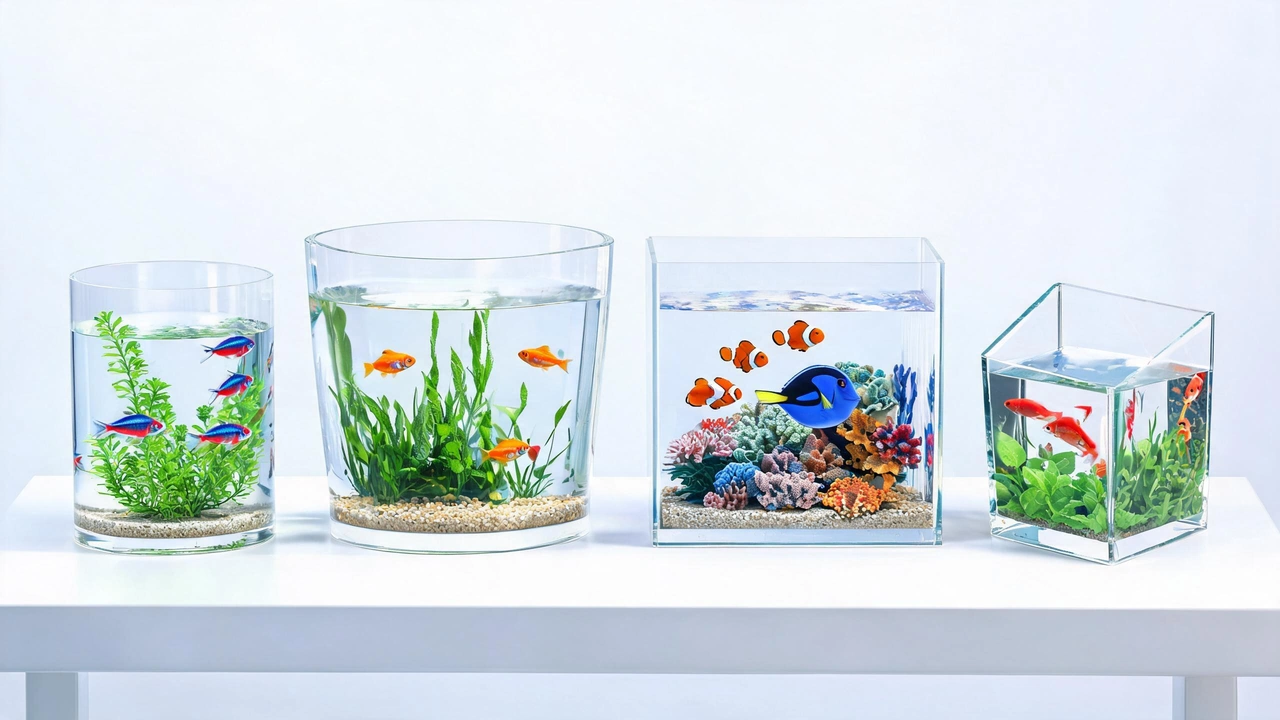
Acrylic aquariums come in a range of standard shapes, plus fully custom options for specific spaces. Here is what is commonly available.
Rectangular tanks
The standard rectangle is the most common shape, especially for reef and planted tanks where straight sides make equipment installation and aquascaping easier. Acrylic rectangles are lighter than glass equivalents, and the welded corners are clearer than silicone joints. They can also be drilled for overflow boxes and plumbing without the cracking risk you get with glass.
Bowfront and curved front tanks
Bowfront tanks have a gently curved front panel that gives a wider field of view and makes the tank look bigger than it is. The curved surface also softens room reflections. These are popular for living rooms, office lobbies, and restaurant dining areas where the tank is part of the decor. Acrylic is the natural material for bowfront designs because it thermoforms smoothly without losing clarity.
Cylinder and corner tanks
Cylindrical acrylic aquariums offer 360-degree viewing and make a big visual statement. They work well in lobbies, atriums, and upscale retail spaces. Sizes range from tabletop models a foot across to large floor-to-ceiling installations six feet in diameter or more. Corner tanks — pentagon or hexagon shapes designed to fit in a room corner — use the same forming technology to maximize viewing area without taking up much floor space.
Custom and built-in tanks
For commercial and high-end residential projects, custom acrylic aquariums are designed to fit the space exactly. L-shaped tanks that divide rooms, wall-mounted units that double as room dividers, and shapes that follow architectural curves are all possible. These projects usually involve collaboration between the aquarium builder, interior designer, and architect to make sure the tank works as both an aquatic environment and a design element.
Depending on the application, we typically fabricate custom acrylic aquariums in cell-cast acrylic ranging from 6mm for small desktop tanks to 50mm+ for large public exhibit installations, with chemically welded seams and diamond-polished edges for maximum clarity.
Accessories and components
Acrylic is used for a lot more than just the tank itself. Common acrylic aquarium accessories include lids to prevent jumping and reduce evaporation, overflow boxes for filtration systems, sumps and refugiums for below-tank filtration, frag racks for coral propagation, and custom dividers for breeding or species separation.
Real-World Applications
Acrylic aquariums serve very different purposes depending on where they are installed. Here are four common scenarios and how acrylic is used in each.

High-end residential reef tank
A custom home builder in California is designing a modern 5,000-square-foot home and wants a 300-gallon reef aquarium as the focal point of the open-concept living area. The tank will sit between the living room and dining room, visible from both sides.
The challenge is that the tank needs to feel substantial in a high-ceiling space but thin enough that it does not block sightlines through the room. The homeowner wants a clean, built-in look with all equipment hidden. Floor loading is also a consideration — the tank plus water will weigh well over 3,000 pounds.
An acrylic peninsula tank is the solution here. At 8 feet long, 2 feet wide, and 30 inches tall, the 1-inch thick acrylic walls give excellent clarity from both sides. The lighter weight of acrylic reduces how much floor reinforcement is needed. Equipment lives in a basement sump with plumbing run through the floor, keeping the display area clean.
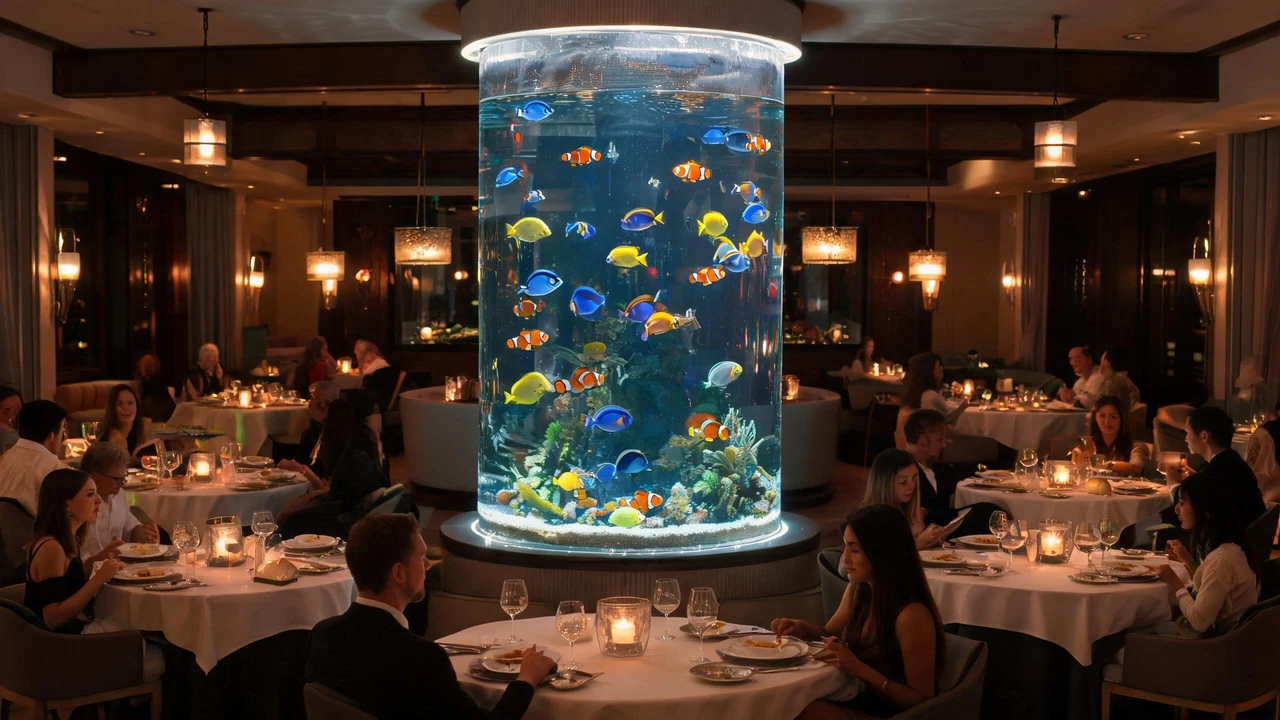
Restaurant display aquarium
A high-end seafood restaurant in Miami is renovating its main dining room and wants a statement piece that ties into the ocean theme of the menu. The restaurant seats 120 across two dining rooms with a 20-foot ceiling in the main room.
The tank needs to be visible from most tables without blocking server paths. It also needs to stand up to a busy hospitality environment — bumped serving trays, kids leaning against it, daily cleaning by staff. And it should be something customers photograph and share.
A 6-foot diameter cylindrical acrylic aquarium, 8 feet tall, installed as a freestanding centerpiece, checks all the boxes. The 1.5-inch thick acrylic handles the water pressure and the impact resistance gives the restaurant confidence in a busy space. The cylinder shape means every table has a view, and the height makes it a memorable feature.

Public aquarium exhibit window
A mid-size public aquarium in the Midwest is building a new 50,000-gallon shark and ray exhibit. The main viewing window needs to be 18 feet wide and 10 feet tall, with a gentle curve to follow the exhibit’s oval shape.
The panel has to hold back over 400,000 pounds of water while staying optically clear so visitors can see into the depths. The curve needs to match the architecture of the exhibit hall. Shipping and installing a panel this size is a major undertaking.
A custom curved acrylic panel — 8 inches thick at the center, tapering at the edges — is the answer. It is thermoformed to the specified radius from cell-cast acrylic and installed in a custom-engineered frame with a continuous gasket seal. The result is a seamless panoramic view that makes visitors feel like they are standing in the water with the animals.
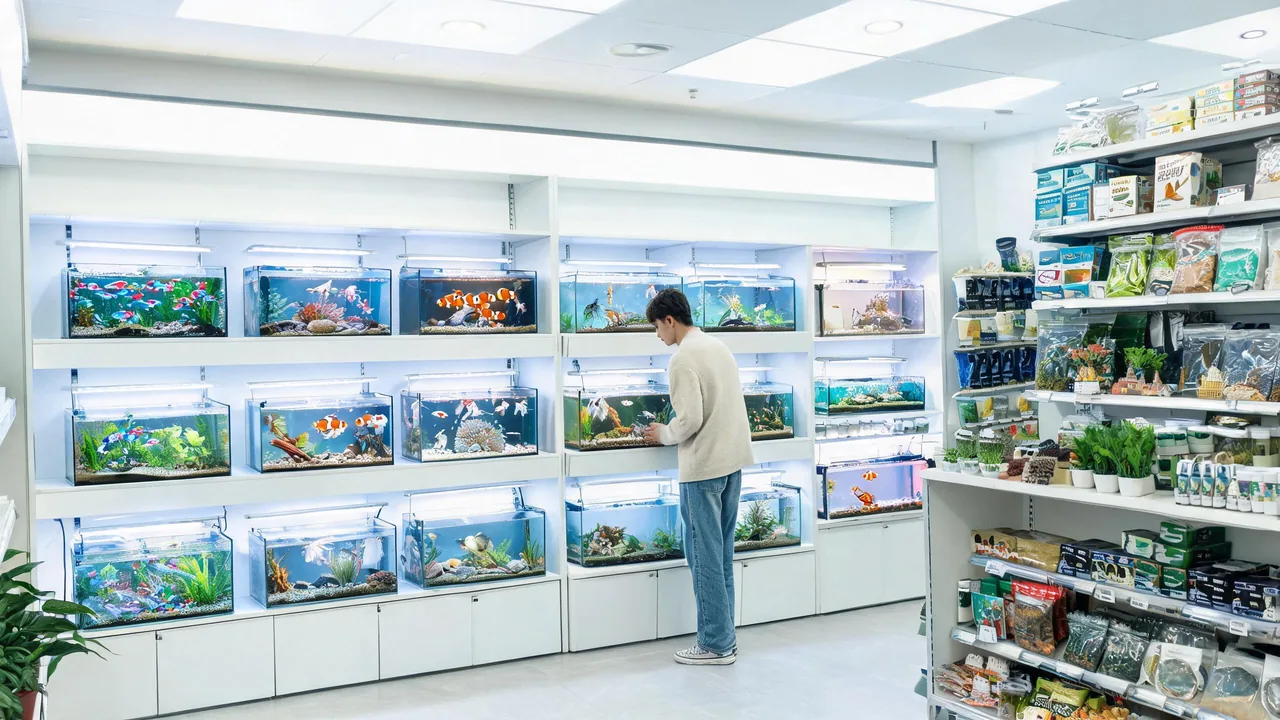
Pet store retail display tanks
An independent pet store chain is opening a new location and needs a full aquarium department with 40+ display tanks for freshwater and saltwater fish, invertebrates, and plants. The tanks need to be durable, easy to service, and look good enough to sell livestock effectively.
Retail is hard on aquarium equipment. Tanks get bumped by carts, cleaned frequently, and rearranged as inventory changes. The store also wants centralized filtration with plumbing between tanks.
Acrylic display tanks in sizes from 10 to 100 gallons, all drilled for a centralized plumbing manifold connected to a common filtration system, are the right fit. The tanks are lighter for staff to move around, and their impact resistance reduces replacement costs from accidents. The welded corners give the department a clean, professional look that makes fish and plants show well under LED lighting.
How to Choose the Right Acrylic Aquarium
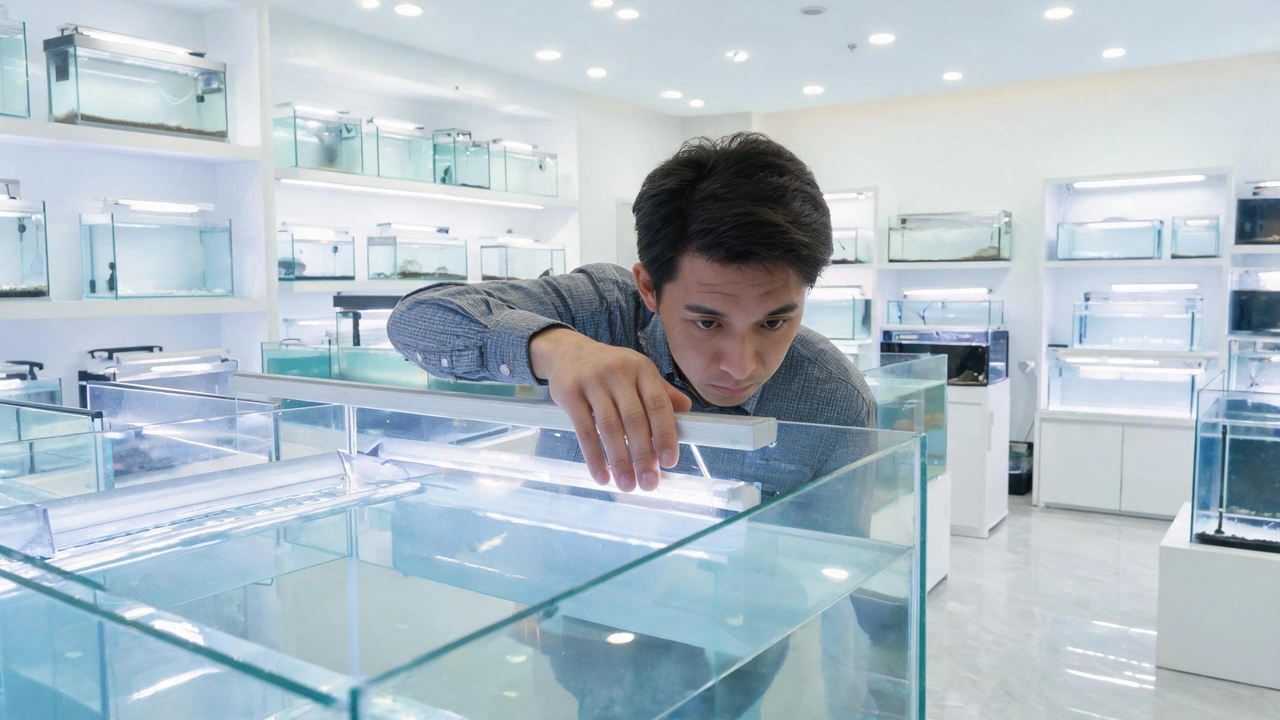
Picking the right acrylic aquarium means matching the tank to what it will hold, where it will go, and who will maintain it. Here is what to think about.
Key factors to consider
| Factor | What to look for |
| Size and volume | Larger tanks are more stable biologically. Measure the space carefully and account for stand height and maintenance access. |
| Shape | Rectangular for maximum aquascaping flexibility. Bowfront for living room aesthetics. Cylinder for statement pieces. |
| Material grade | Always cell-cast acrylic for the tank structure. Confirm the manufacturer uses reputable aquarium-grade cast acrylic. |
| Thickness | Should match the water height and panel width. Proper engineering is more important than just going thicker. |
| Seam quality | Welded seams should be nearly invisible with no bubbles, discoloration, or uneven bonding. |
| Plumbing options | Acrylic tanks drill easily for overflow boxes and closed-loop systems. Check if the tank comes pre-drilled. |
| Warranty | Quality builders offer multi-year warranties against leaks and manufacturing defects. |
Common mistakes to avoid
Buying based only on price is a common mistake. Not all acrylic aquariums are built to the same standard. A tank made from extruded acrylic or with poor welds may look fine at first but develop problems over time. Look for tanks made from cell-cast acrylic from a reputable builder.
Ignoring floor loading is another one. Water alone weighs 8.3 pounds per gallon, and then you add the tank, substrate, rock, and equipment. For tanks over 100 gallons, make sure the floor can support the weight, especially on upper levels.
Forgetting about maintenance access is a third. A beautiful tank that you cannot reach to clean or service will not stay beautiful for long. Built-in installations need removable panels or access hatches for regular maintenance.
Care and maintenance
Acrylic aquariums need slightly different care than glass. The main difference is that acrylic scratches more easily, but most scratches can be removed. Use only acrylic-safe cleaning tools — soft sponges, microfiber cloths, and acrylic-specific scrapers. Stay away from abrasive scrub pads, metal blade scrapers, and harsh chemical cleaners.
Minor surface scratches that develop over time can usually be buffed out with acrylic polish and a soft cloth. Deeper scratches may need sanding and buffing with progressively finer grits. This ability to be restored is a practical advantage of acrylic — a scratched glass tank stays scratched, but an acrylic tank can be brought back to like-new condition.

Frequently Asked Questions
Is acrylic better than glass for aquariums?
Acrylic offers better clarity, lighter weight, impact resistance, and more shape options, making it ideal for large, custom, or display tanks. Glass is more scratch-resistant and typically costs less for standard rectangular sizes.
How long do acrylic aquariums last?
A well-built cell-cast acrylic aquarium can last 20+ years with proper care. UV-stabilized acrylic resists yellowing, and chemically welded seams maintain their strength for decades.
Can acrylic aquariums be repaired if they leak?
Yes — small leaks can usually be repaired by solvent-welding additional acrylic material to the affected area. Larger seam failures may need professional repair or panel replacement.
What thickness acrylic do I need for my aquarium?
It depends on water height and panel width. Small tanks (10-30 gal) need 6mm, medium tanks (100-180 gal) need 12mm, and large display tanks (300-500 gal) need 25mm or more.
Do acrylic tanks scratch easily?
Acrylic is softer than glass and will scratch if cleaned with abrasive tools, but most scratches can be buffed out with acrylic polish. Glass scratches less easily but scratches cannot be fixed.
Can you drill an acrylic aquarium?
Yes — acrylic tanks can be easily drilled for overflow boxes, return lines, and closed-loop systems without risk of cracking, unlike glass tanks which must be drilled before tempering.
How much does a custom acrylic aquarium cost?
Pricing depends on size, shape complexity, material thickness, and installation requirements. Custom projects are quoted based on specific dimensions and design specifications.
Get Your Custom Acrylic Aquarium Solution
Whether you are planning a residential display tank, a commercial restaurant feature, or a public exhibit, choosing the right acrylic aquarium makes a big difference in both how it looks and how long it lasts.
If you have a custom project in mind, our team can help you select the right acrylic grade, thickness, and fabrication approach for your specific needs. Reach out for a free consultation — we can work with your design plans, space constraints, and aquatic requirements to deliver a tank that performs beautifully for years. For more details, see our acrylic fabrication guide.